






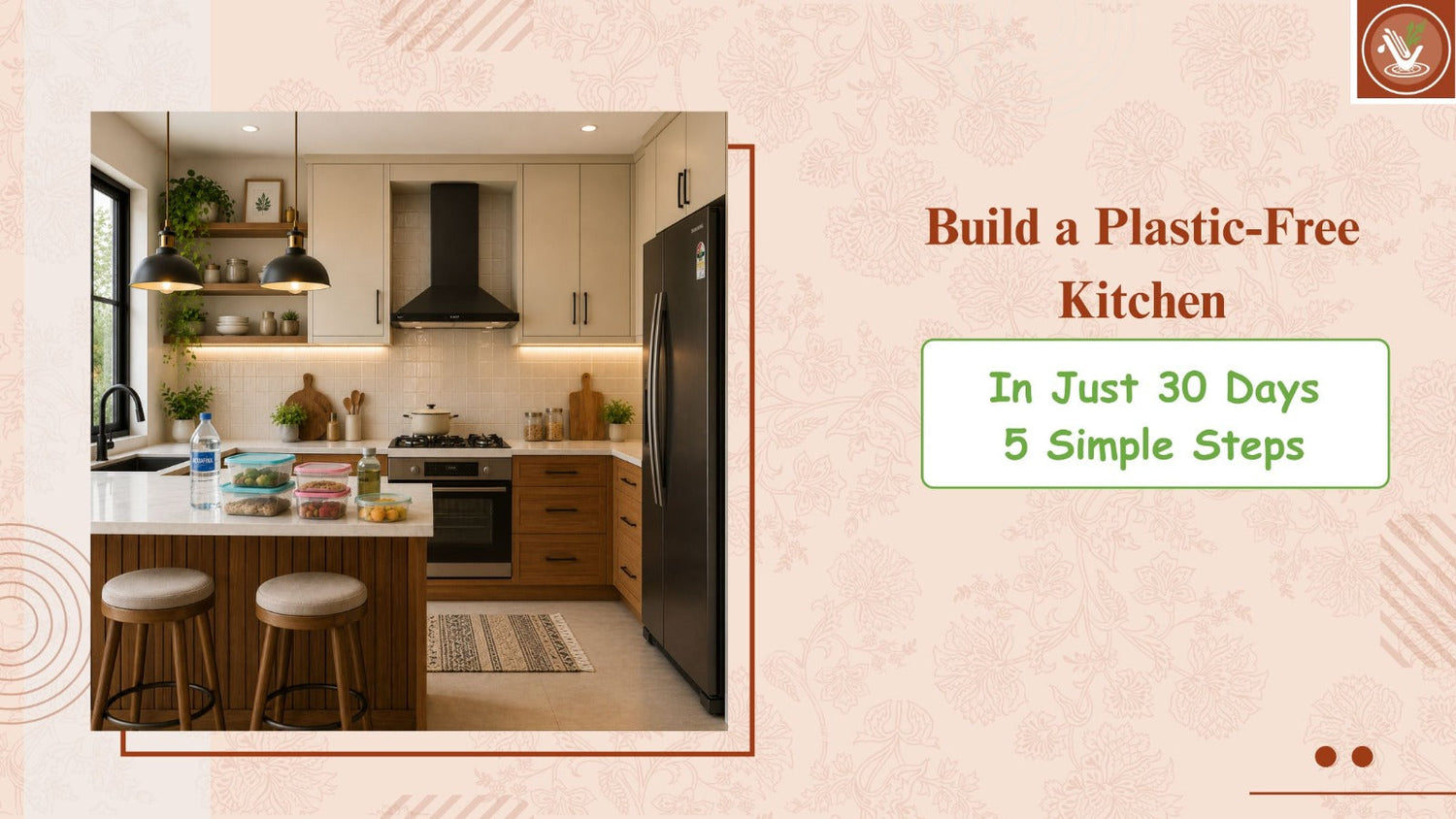
Plastic has become a part of almost every modern kitchen. From storage containers and water bottles to cooking utensils and food packaging, it often goes unnoticed until we start paying attention. While plastic offers convenience, many families are now looking for safer and more sustainable alternatives that support healthier living and reduce environmental impact.
The good news is that building a plastic-free kitchen does not have to happen overnight. Small changes made consistently can create a big difference over time. In fact, with a simple plan, you can gradually replace plastic items and create a more natural, eco-friendly kitchen within just 30 days.
In this guide, you'll learn five practical steps to build a plastic-free kitchen from scratch, along with simple swaps, common mistakes to avoid, and traditional alternatives that have been used in Indian households for generations.
Why Choose a Plastic-Free Kitchen?
A plastic-free kitchen is more than just an eco-friendly trend. It helps reduce unnecessary waste, encourages mindful consumption, and often introduces healthier materials into daily cooking and food storage.
Some benefits include:
- Less plastic waste entering landfills
- Reduced dependence on disposable products
- More durable and long-lasting kitchen tools
- A more natural and traditional cooking environment
- Better support for sustainable living practices
Most importantly, the transition can happen gradually without replacing everything at once.
Step 1: Identify Plastic Items in Your Kitchen
Week 1: Take Inventory
Start by walking through your kitchen and making a simple list.
Look for:
- Plastic storage containers
- Plastic water bottles
- Plastic cooking utensils
- Plastic cutting boards
- Plastic grocery bags
- Plastic food wraps
- Plastic spice containers
This exercise helps you understand where plastic is most commonly used and where replacements will have the biggest impact.
Practical Tip
Focus on the items you use daily. These should be your first priority when making plastic-free kitchen swaps.
Step 2: Replace Single-Use Plastics First
Week 2: Eliminate Disposable Items
Single-use plastics create a significant amount of household waste.
Start replacing:
| Plastic Item | Better Alternative |
|---|---|
| Plastic bags | Cloth bags |
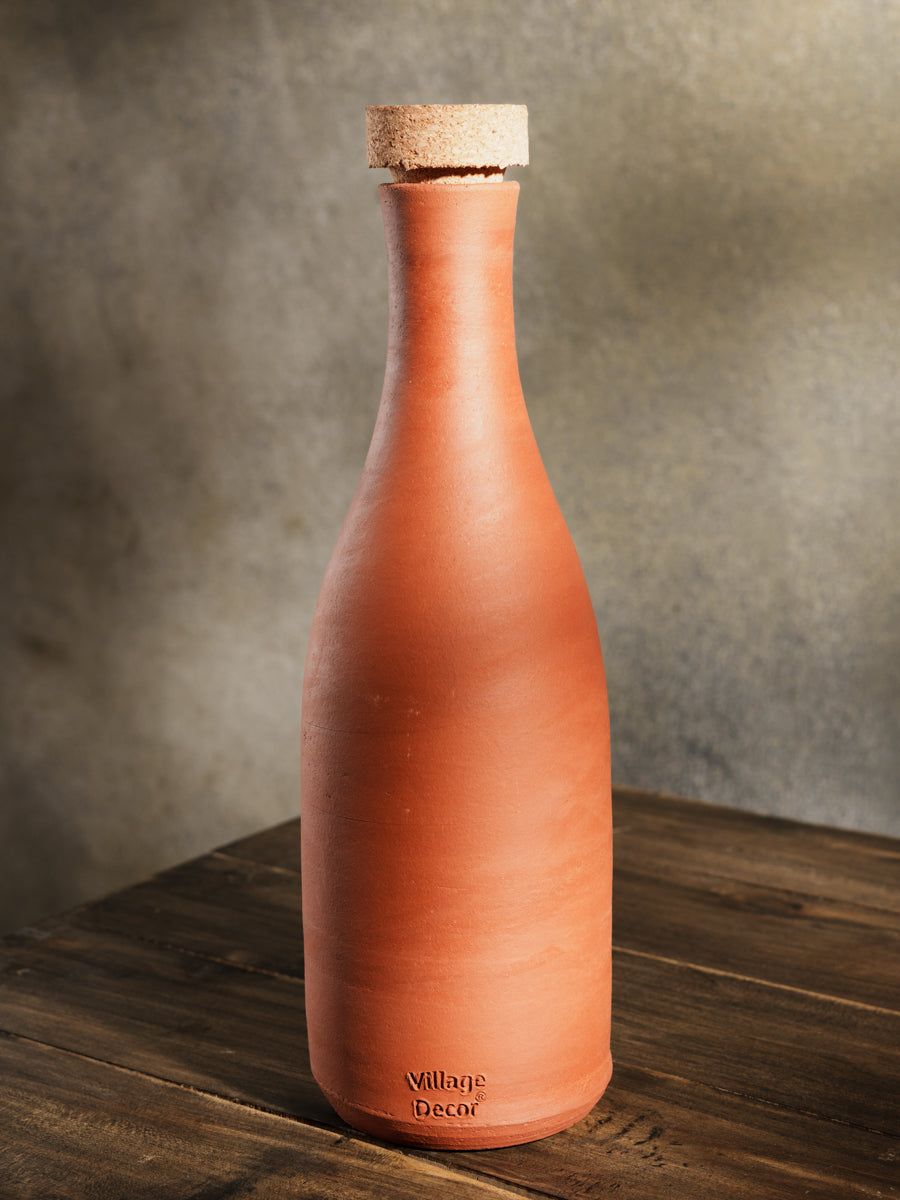
| Plastic water bottles | Clay water bottle |
| Plastic food wraps | Reusable cloth covers |
| Disposable containers | Clay Storage containers |
| Plastic straws | Bamboo straws |
These are usually the easiest and most affordable swaps.
Why Start Here?
You will immediately reduce waste while building momentum for larger changes later.
Step 3: Switch to Natural and Traditional Kitchenware
Week 3: Upgrade Your Kitchen Essentials
Once disposable plastics are gone, start replacing frequently used kitchen tools.
Consider:
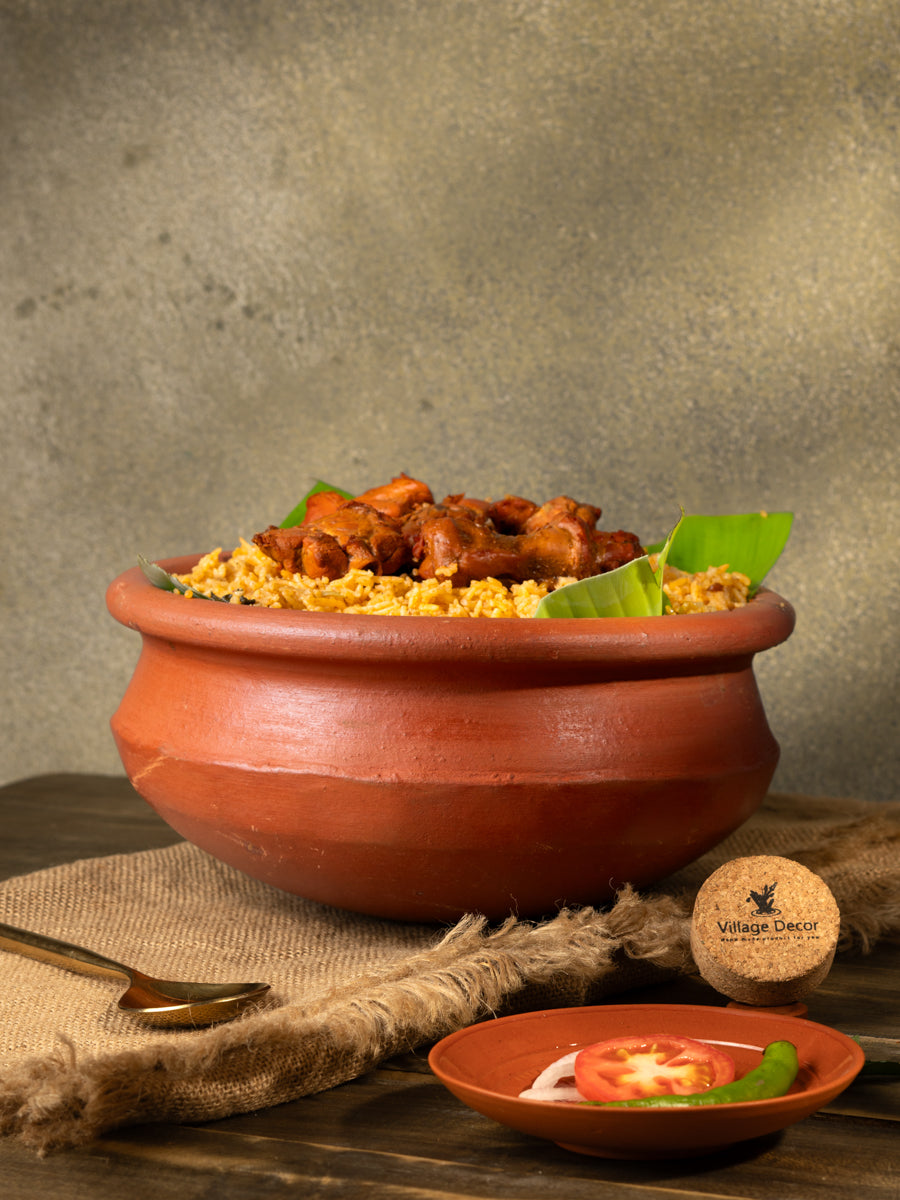
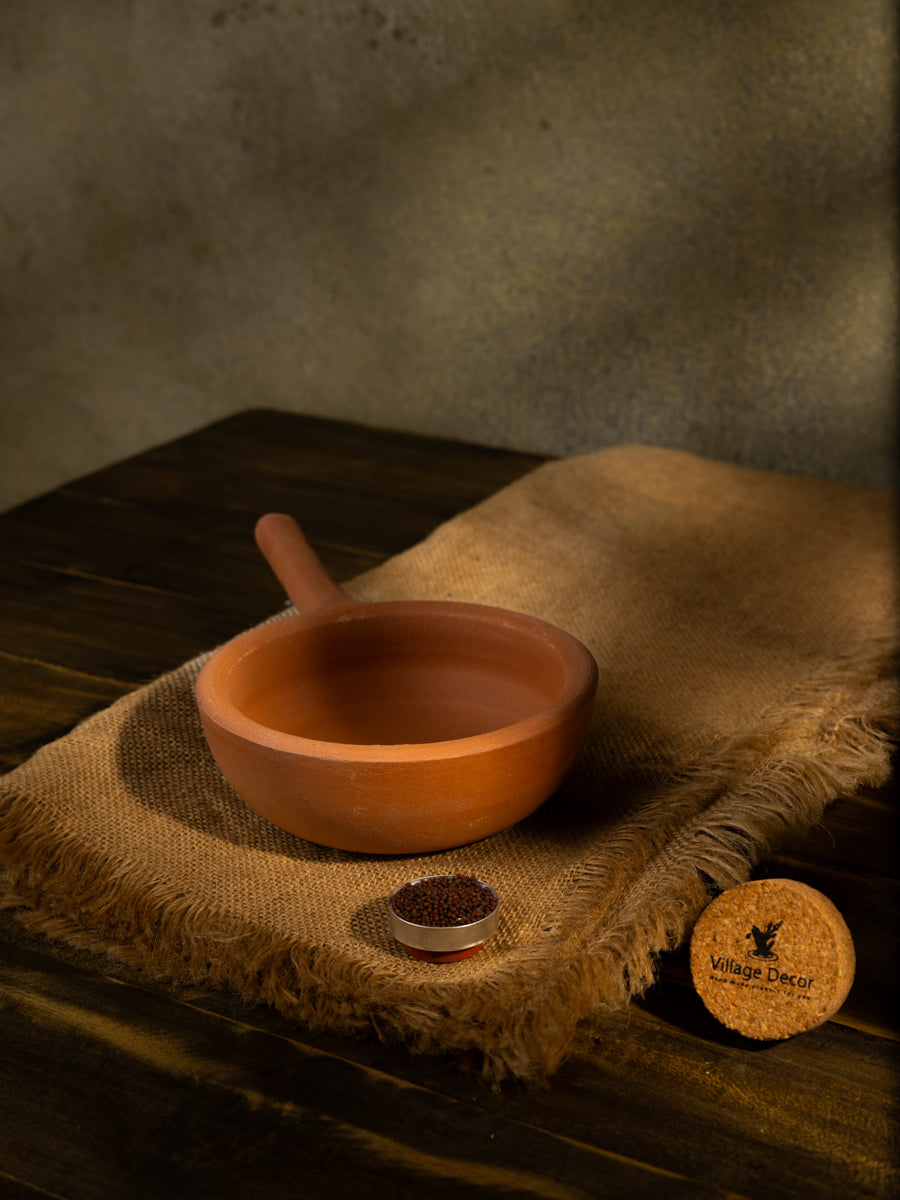
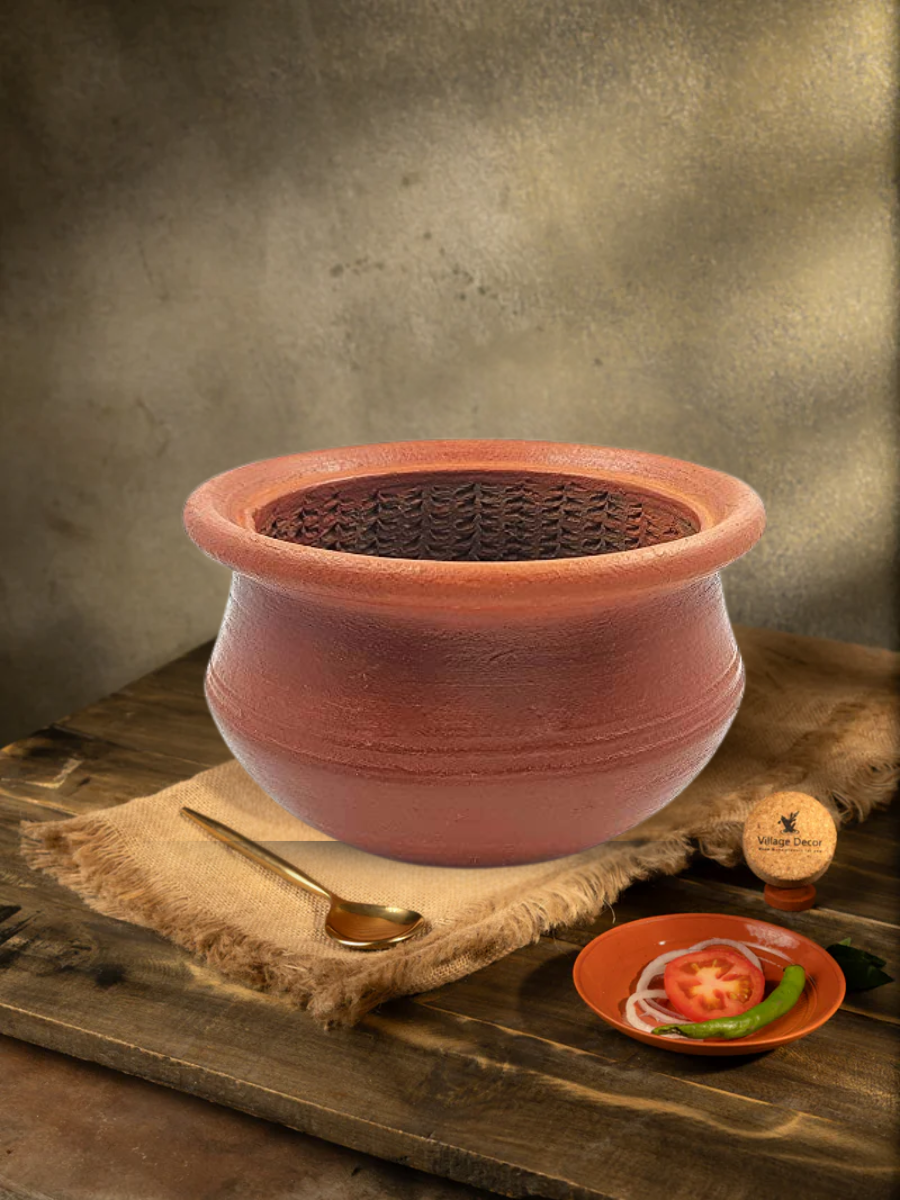
Clay Cookware
Traditional clay cookware has been used in Indian kitchens for centuries. It offers a natural cooking experience and complements a sustainable lifestyle.
Clay Water Pots
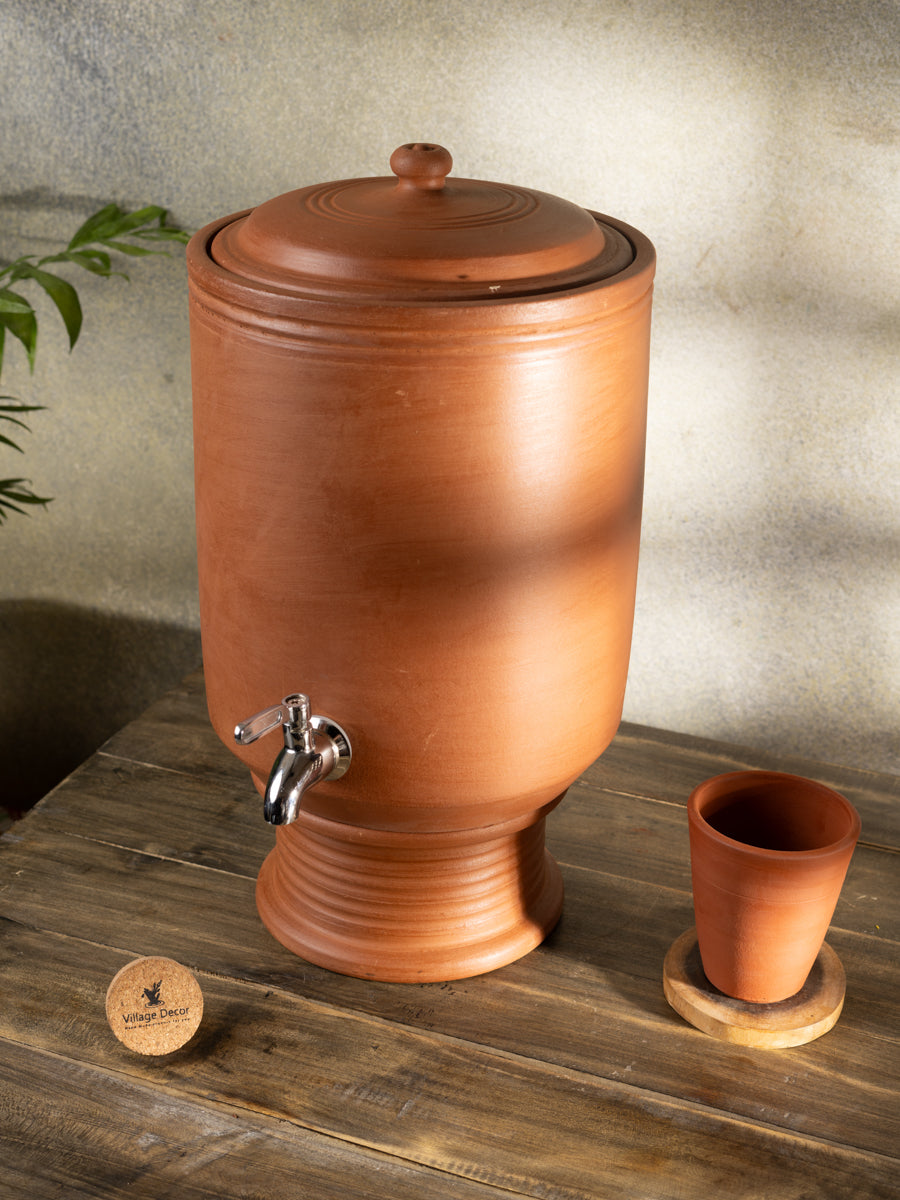
Instead of storing water in plastic containers, many households prefer clay water pots for naturally cooling drinking water.
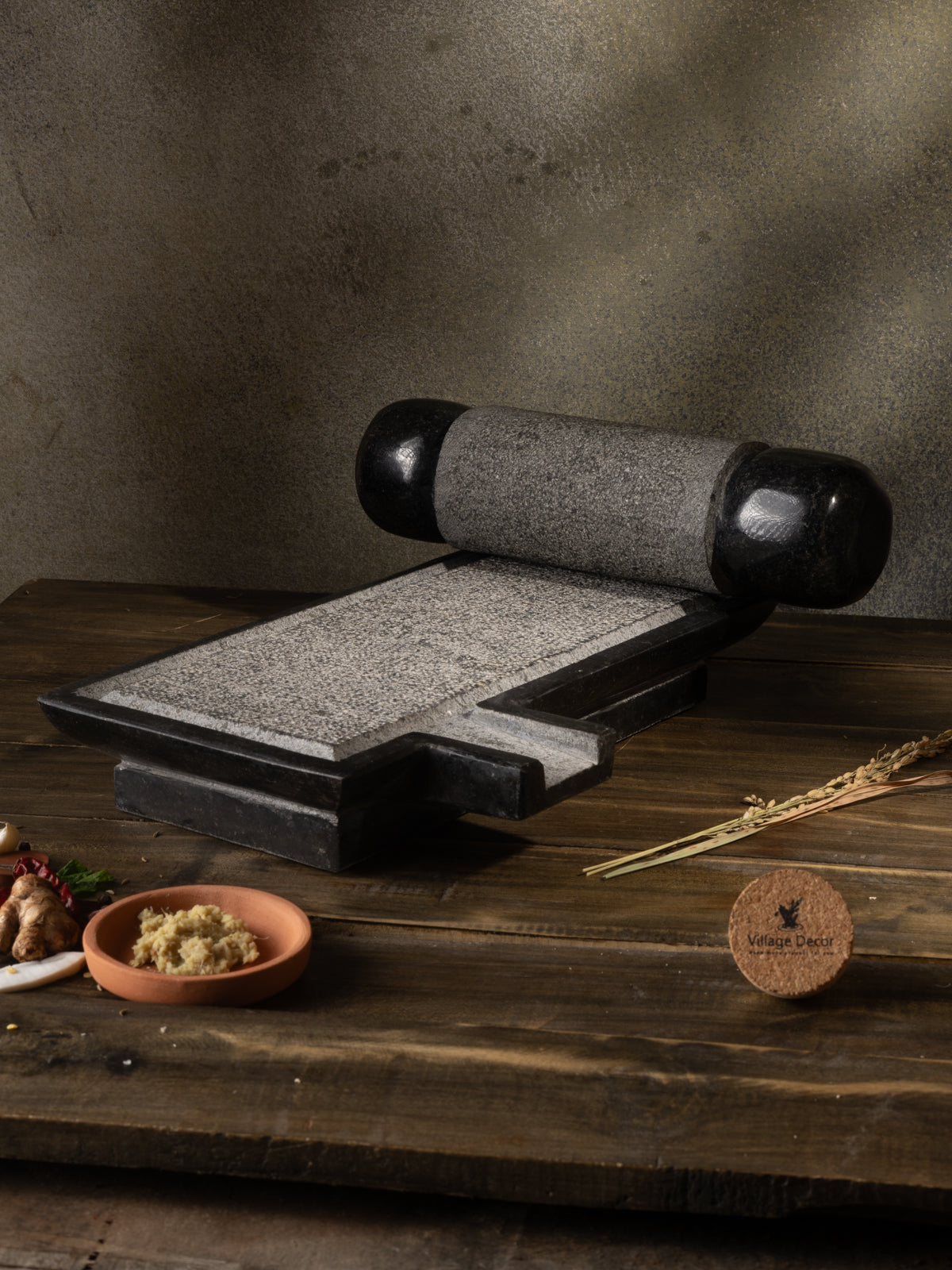
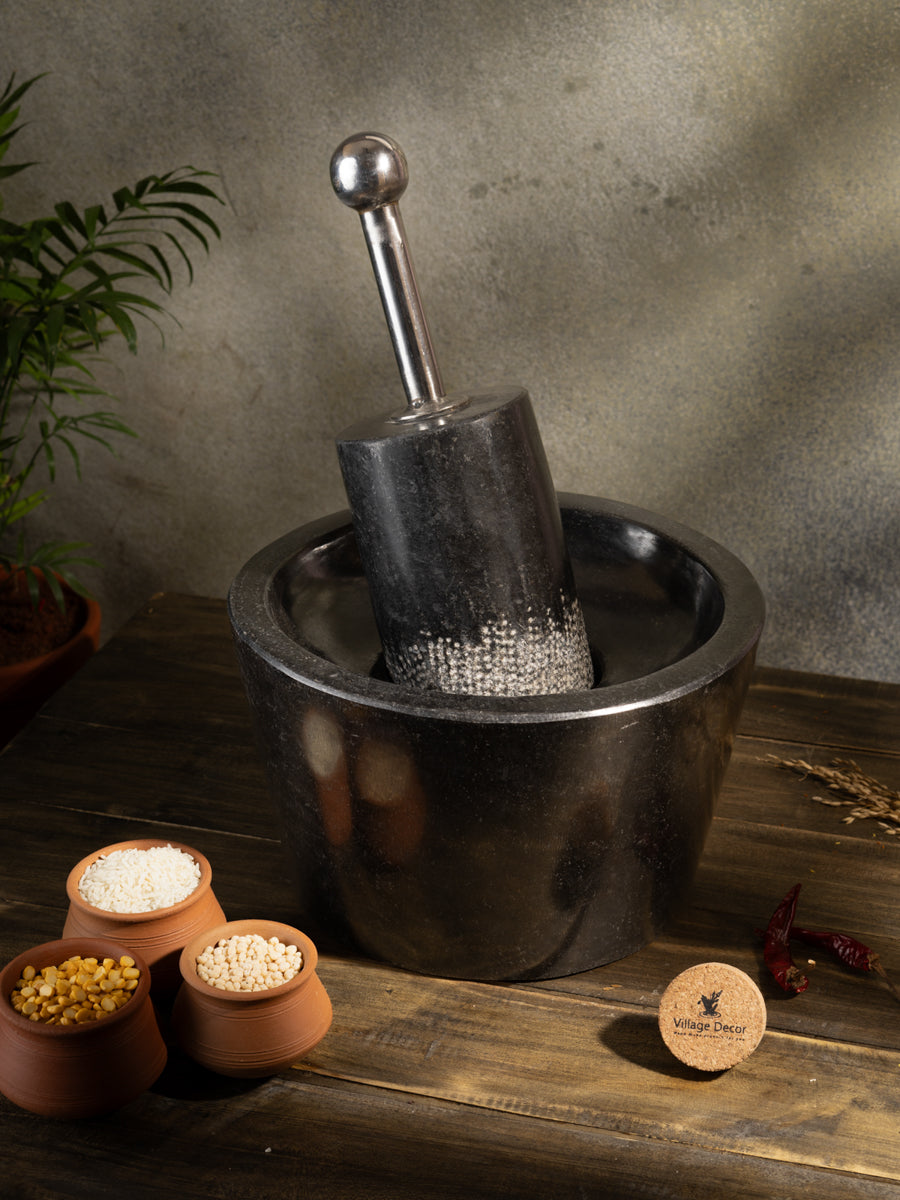
Mortar and Pestle
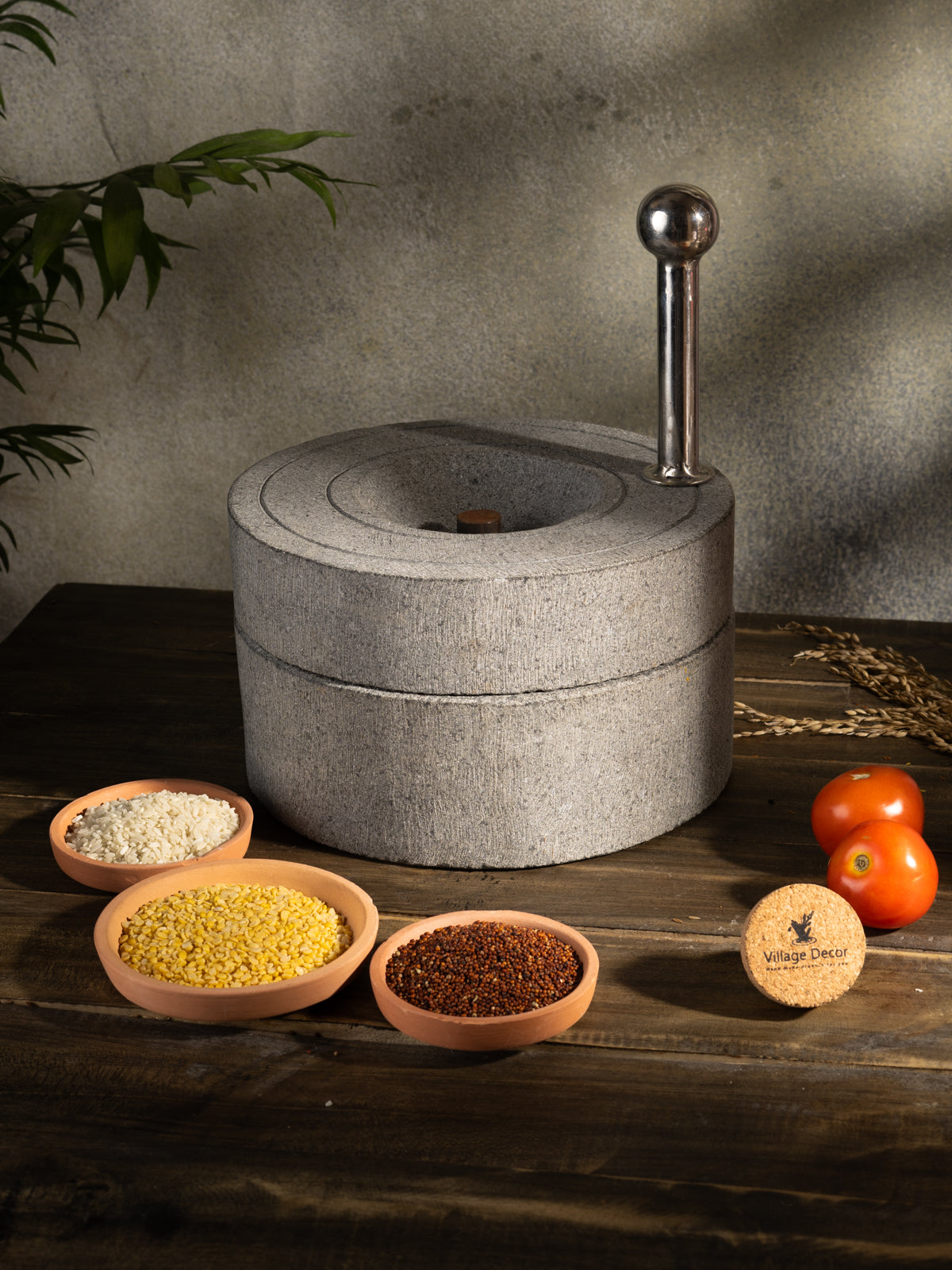
Traditional stone grinders help reduce reliance on electric appliances for certain grinding tasks while preserving authentic textures and flavors.

Step 4: Create Better Storage and Cooking Habits
Week 4: Make Sustainable Choices Daily
A plastic-free kitchen is not only about products. Habits matter too.
Try these practices:
- Buy groceries in bulk when possible
- Carry reusable shopping bags
- Store grains in clay pots
- Reuse containers instead of purchasing new ones
- Plan meals to reduce food waste
- Avoid heavily packaged products
These small habits make your transition much more effective.
Expert Insight
Many families focus only on replacing plastic items but continue purchasing products wrapped in excessive packaging. Reducing incoming plastic is just as important as replacing existing plastic.
Step 5: Maintain a Long-Term Plastic-Free Lifestyle
Beyond Day 30
After your first month, continue improving gradually.
Ask yourself:
- Do I really need this plastic product?
- Is there a reusable alternative?
- Can I choose a natural material instead?
Remember, perfection is not the goal. Consistent improvement is what creates lasting change.
A sustainable kitchen is built one decision at a time.
Final Thoughts
Creating a plastic-free kitchen does not require a complete kitchen makeover. By following these five simple steps over 30 days, you can gradually replace unnecessary plastic, adopt healthier kitchen habits, and create a more sustainable home.
If you're looking to embrace traditional and sustainable kitchen practices, natural alternatives such as clay cookware, clay water pots, and handcrafted kitchen essentials from Village Decor can help make your transition easier while preserving timeless Indian kitchen traditions.
Ready to Start?
Explore sustainable kitchen essentials at VillageDecor.in and take the first step toward a healthier, plastic-free kitchen today.



Leave a comment
This site is protected by hCaptcha and the hCaptcha Privacy Policy and Terms of Service apply.