
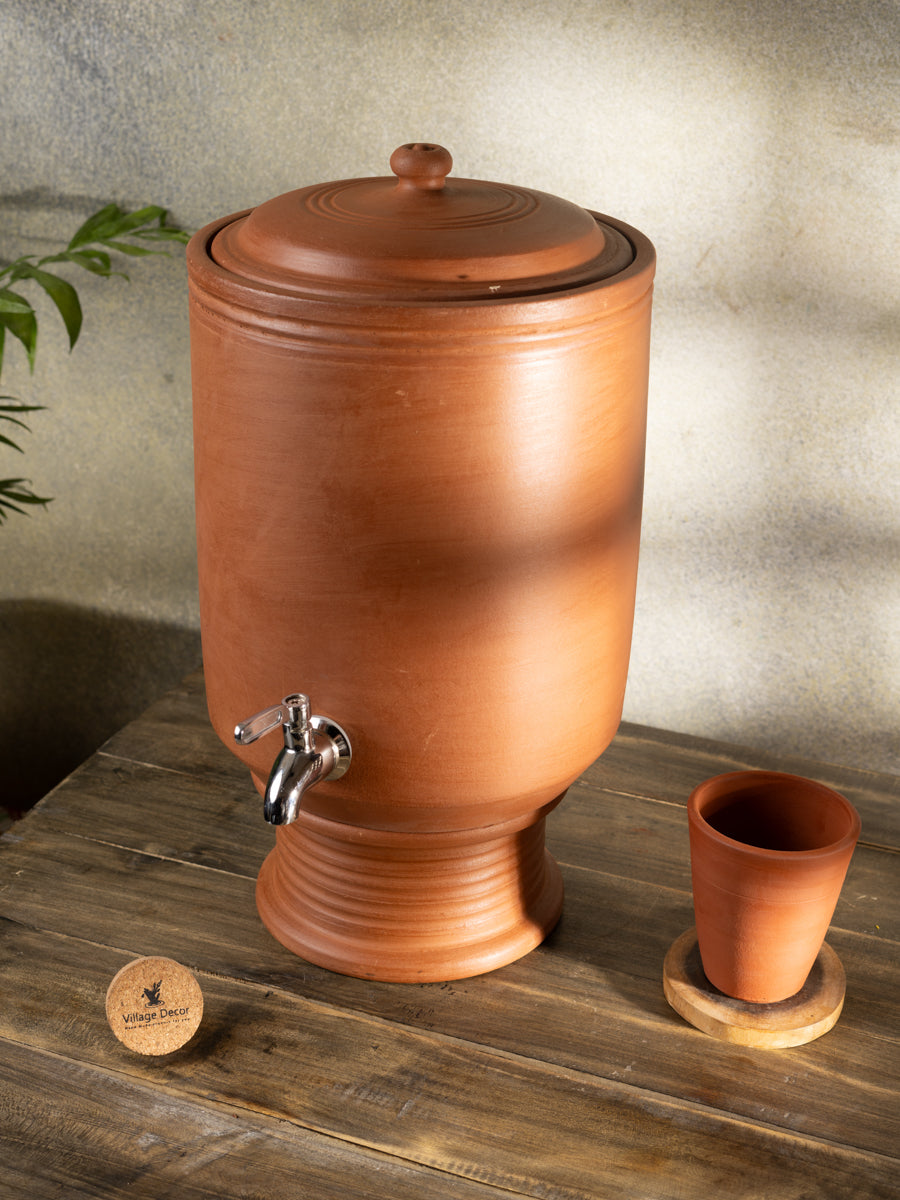
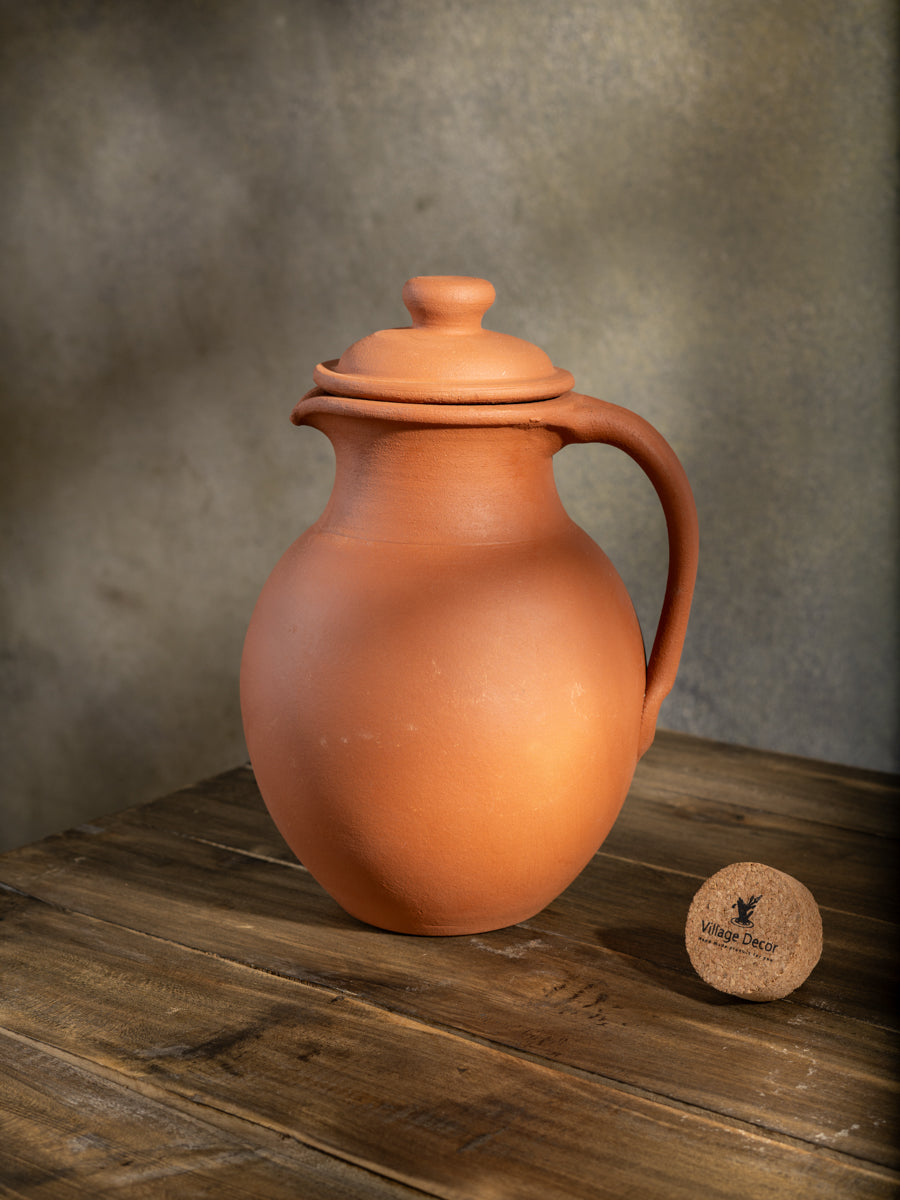

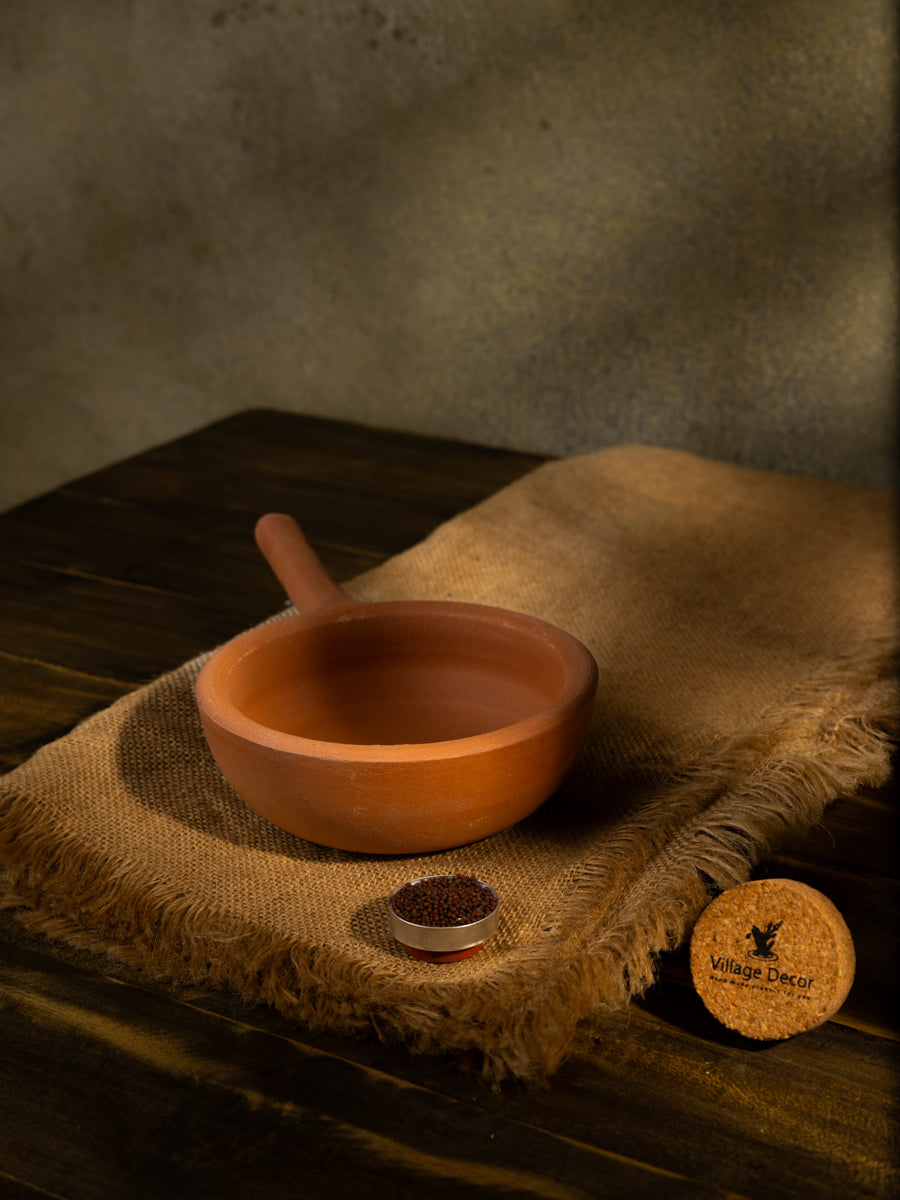
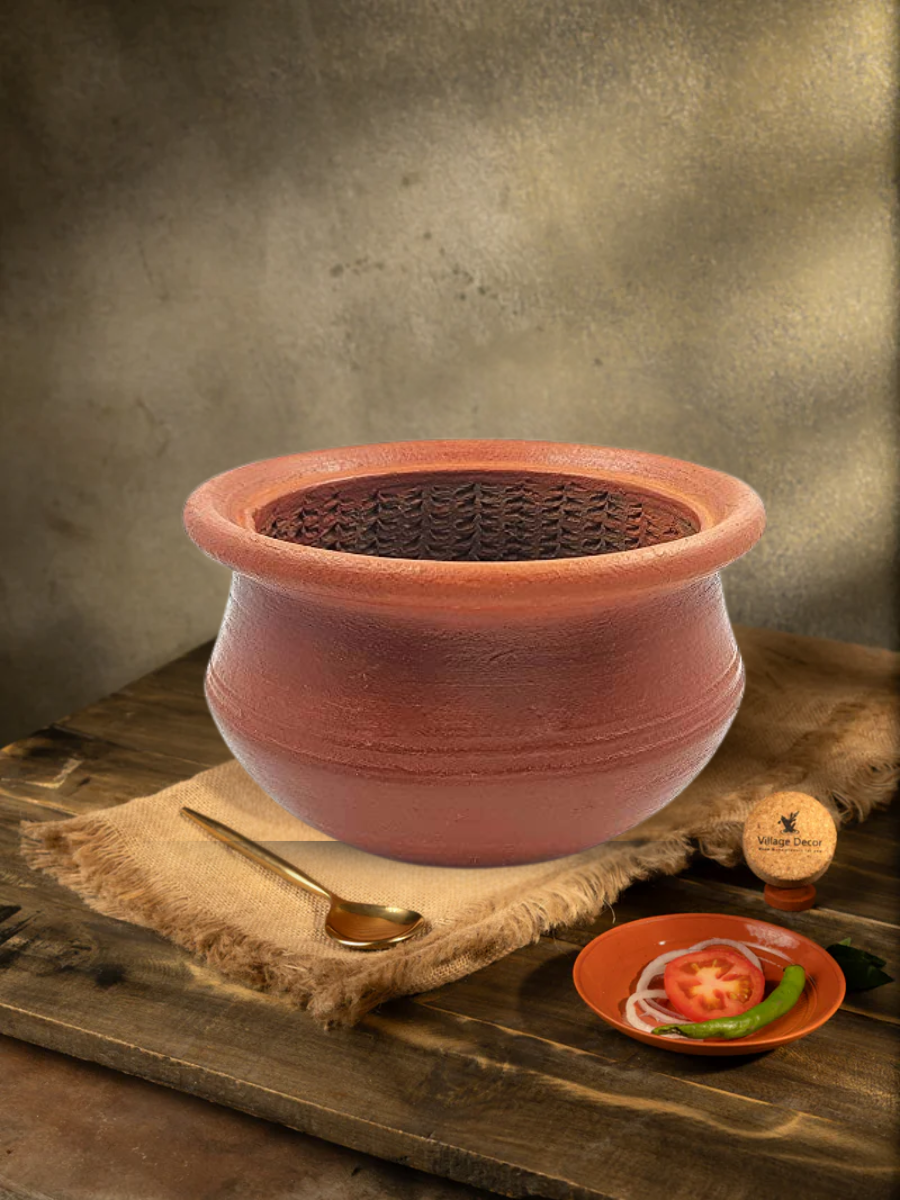
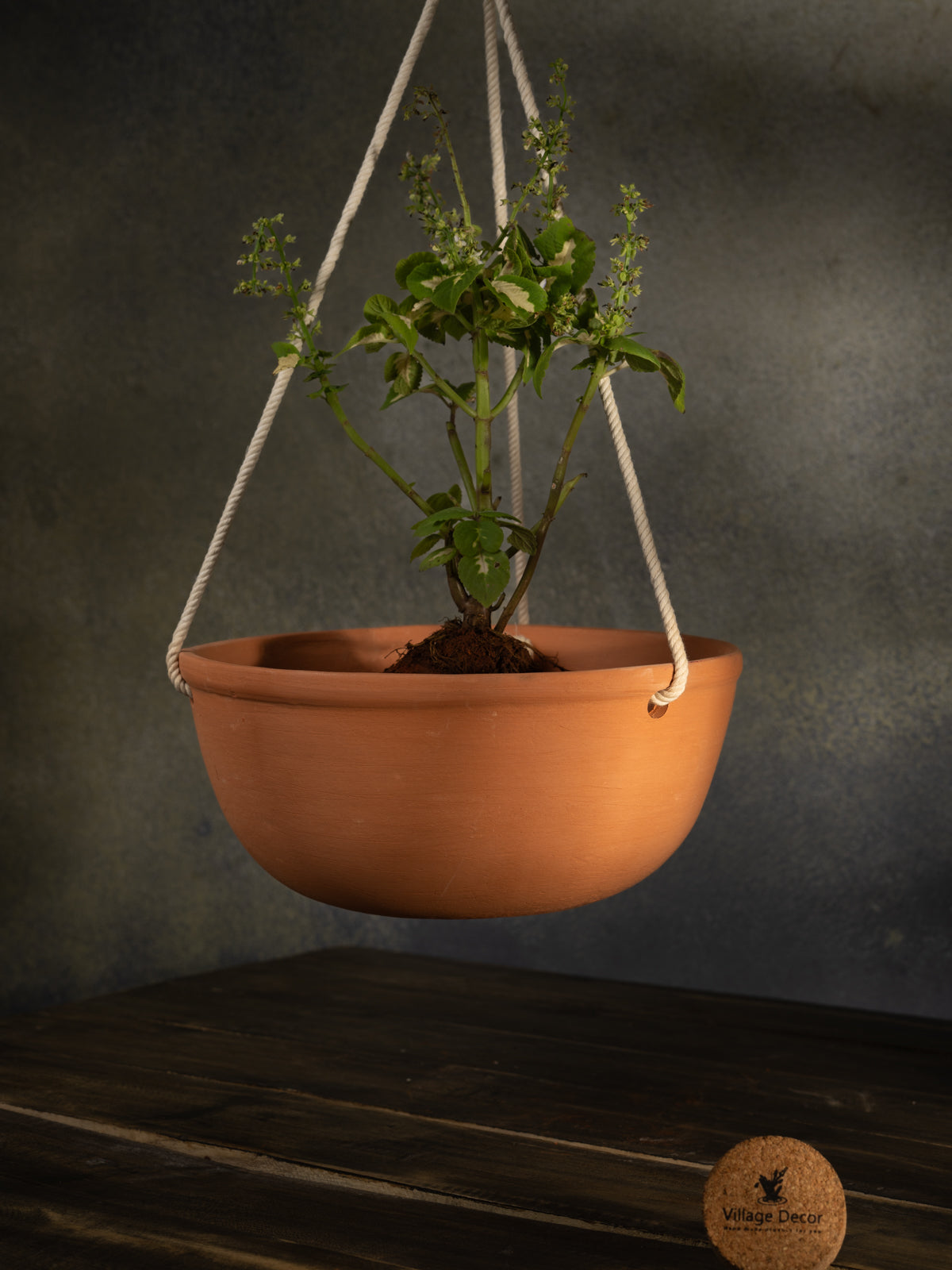



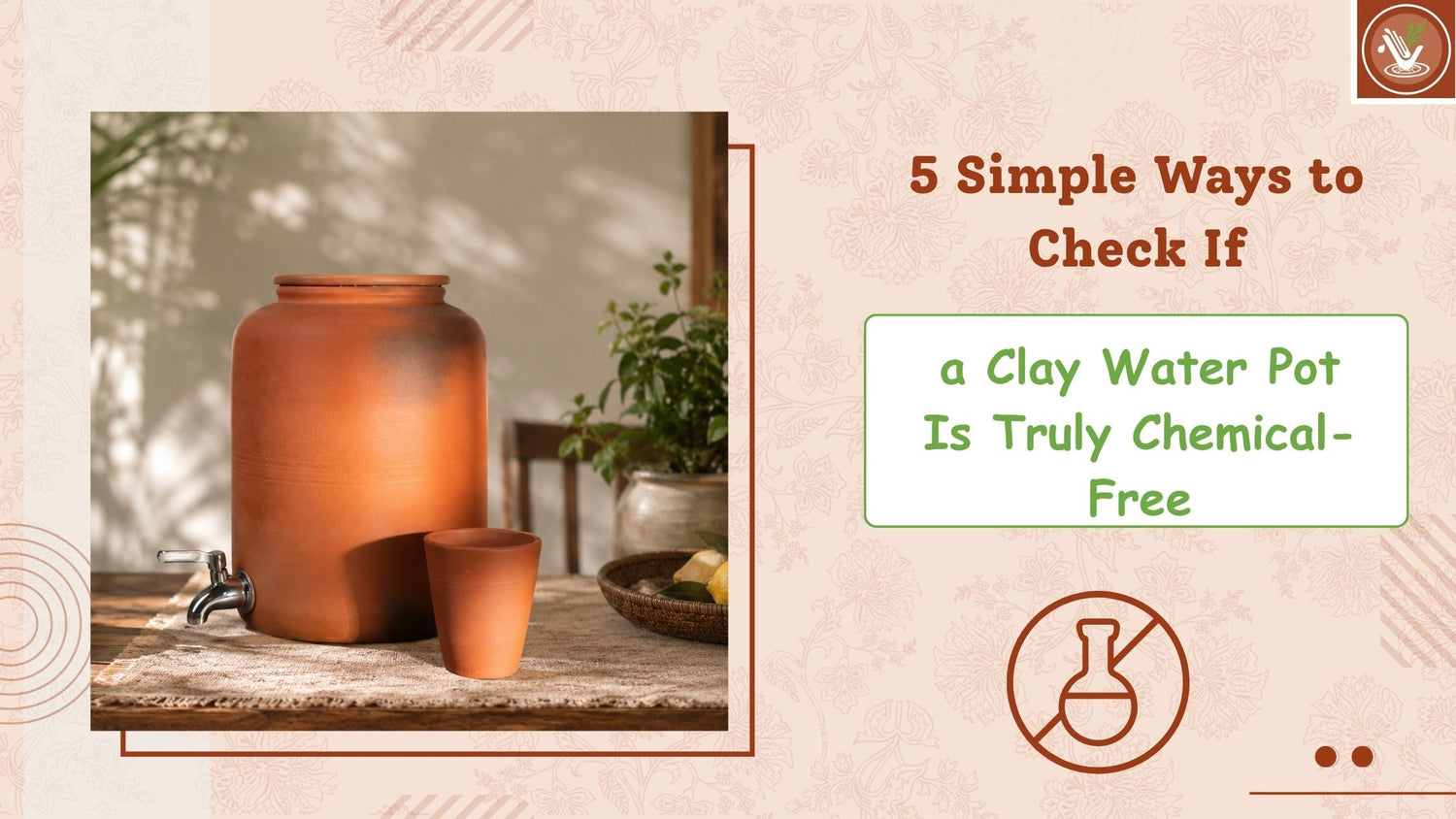
A clay water pot has been used in Indian homes for generations. From keeping water naturally cool to giving that fresh earthy taste, traditional clay pots are still loved by many people even today.
But here’s something most people don’t realise.
Not every clay pot available in the market is truly natural or chemical-free.
Many modern clay water pot products are coated with artificial chemicals, colours, or shiny sealants just to improve appearance and make the surface look smooth and attractive.
The problem is that these coatings are not always easy to identify immediately. A clay pot may look natural but still contain artificial finishing layers.
That’s why knowing how to identify a genuine clay water pot becomes important before buying or even after bringing it home.
In this guide, let’s look at 5 simple ways to check whether a clay pot is truly natural and chemical-free.
1. Check Water Absorption in the Clay Water Pot

One of the easiest ways to identify a natural clay water pot is by testing how the surface reacts to water.
Take a teaspoon of water and drop it on the inside or outside surface of the clay pot. Leave it for about 30 to 60 seconds.
What happens in a natural clay pot?
- The water slowly absorbs into the surface
- The clay becomes slightly darker
- The surface feels porous
This happens because traditional clay water pots contain tiny natural pores.
What happens in a chemically coated clay pot?
- Water stays on the surface like droplets
- No darkening or absorption happens
- The surface feels sealed or glazed
If the water does not absorb at all, there’s a good chance the clay pot has some type of coating or sealant layer.
2. Try the Sound Test

Another simple method is the sound test.
Gently knock the surface of the clay water pot using your knuckles or fingers.
A natural clay water pot usually gives:
- A softer and slightly earthy sound
- A less sharp echo
- A more natural hollow tone
A chemically coated clay pot may sound:
- More metallic
- Sharper
- Glass-like due to the sealed coating
This is not a perfect scientific test, but it can still help you identify differences between a natural porous clay pot and a heavily coated one.
3. Observe the Surface Appearance Carefully

The appearance of a clay water pot can reveal a lot.
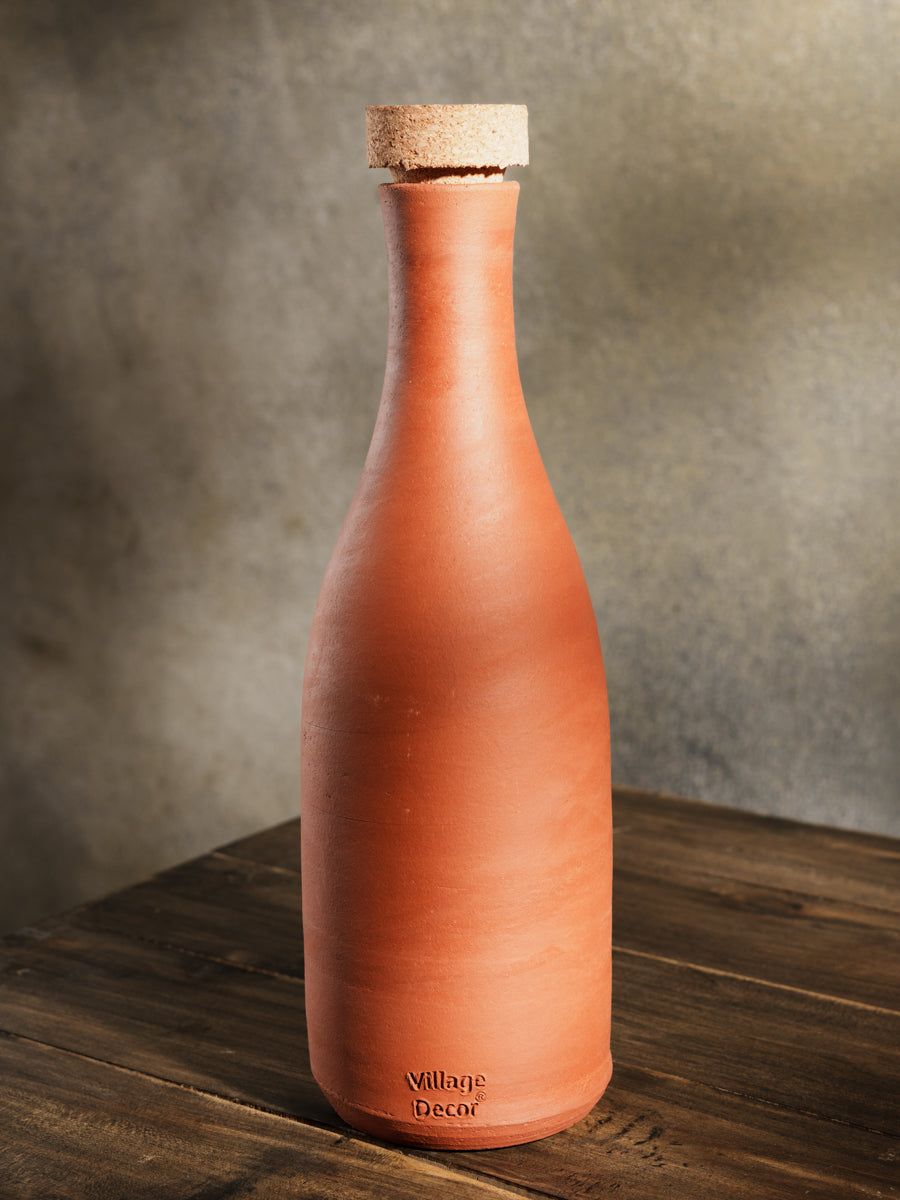
Traditional unglazed clay pots usually have:
- A matte finish
- Tiny visible pores
- Slight roughness
- Natural clay particles visible on the surface
Because natural clay is handmade, the texture may not look perfectly smooth everywhere. Small variations are completely normal.
On the other hand, chemically polished clay pots often appear:
- Extra shiny
- Very smooth
- Artificially bright in colour
- Uniform, like a plastic or ceramic coating
A genuine clay pot does not need artificial shine to prove its quality.
4. Do the Smell Test Before Using the Clay Water Pot

Smell can also give small clues about the quality of a clay water pot.
When a natural clay pot becomes slightly wet, you may notice:
- A mild, earthy aroma
- A natural mud-like smell
- Fresh soil fragrance after adding water
This earthy smell usually comes from raw natural clay.
Meanwhile, coated clay pots may:
- Have little to no earthy smell
- Carry a faint synthetic odour
- Smells slightly chemical-like in some cases
5. Notice the Water Level in the Clay Water Pot

A traditional clay water pot naturally cools water through slow evaporation.
Because of this process, you may notice that:
- The water level slowly reduces over time
- Around 10% to 20% reduction can happen naturally
- The outer surface may feel slightly cool or moist sometimes
This is actually a sign that the clay pot is breathable and porous.
In sealed or chemically coated clay pots:
- Water reduction may be very minimal
- The cooling effect becomes lower
- The clay surface behaves more like ceramic or plastic
Natural evaporation is one of the reasons why water stored in a clay pot feels naturally cool during summer.
Final Thoughts
A clay water pot is more than just a traditional container. It is part of a natural lifestyle followed for generations.
But today, with many artificial finishes and chemical coatings in the market, identifying a genuine clay pot has become important.
The good news is that you don’t need any laboratory test to do basic checking at home.
Simple methods like:
- water absorption
- sound testing
- surface observation
- smell checking
- and monitoring water evaporation
It can help you understand whether the clay water pot is truly natural or not.
A real clay pot may look simple from the outside, but its natural properties are what make it special.
If you are looking for a traditional clay water pot that is naturally porous and free from artificial glossy coatings, explore the collection at Village Decor and bring home naturally cool water the traditional way.


Leave a comment
This site is protected by hCaptcha and the hCaptcha Privacy Policy and Terms of Service apply.