
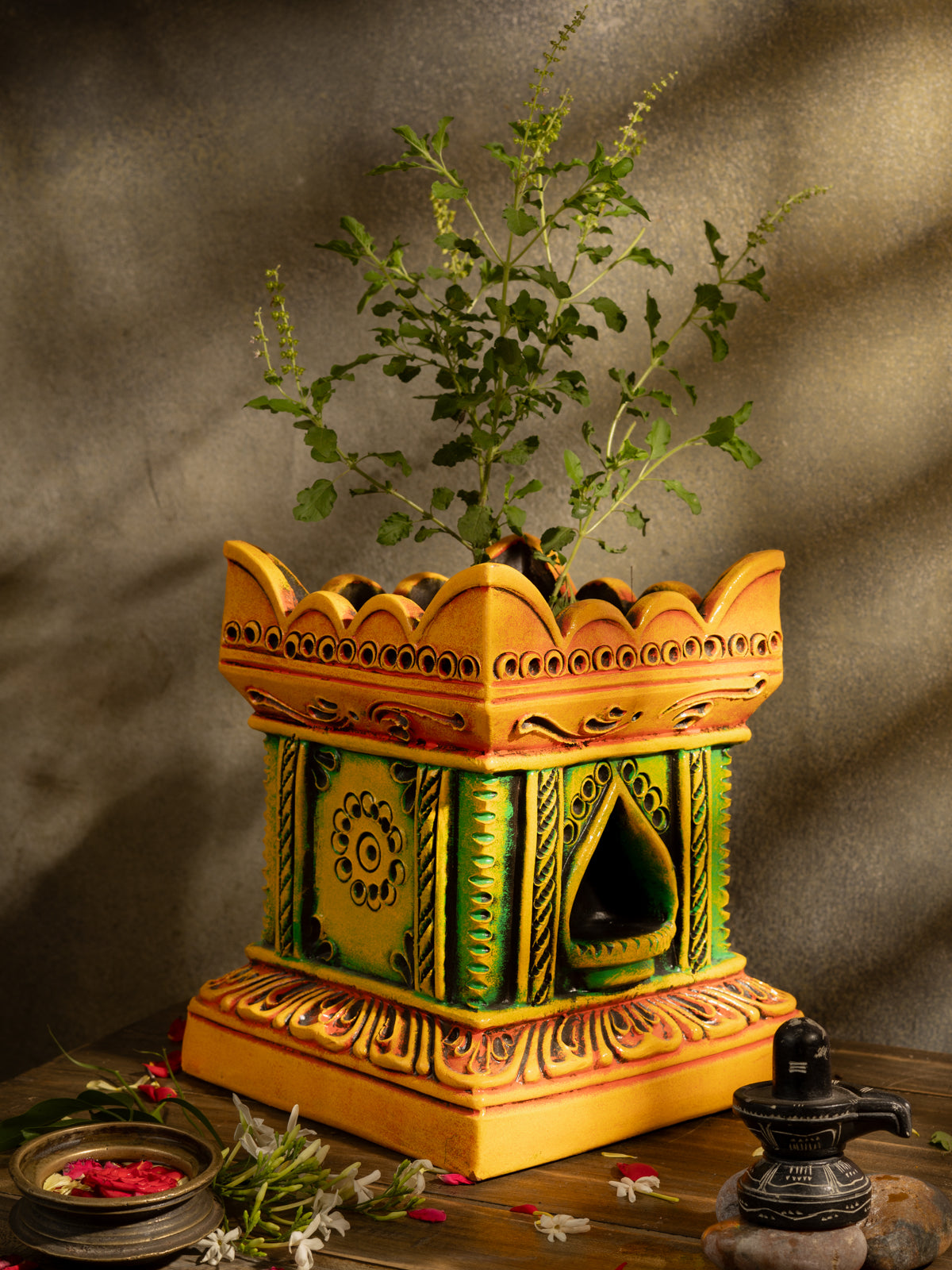
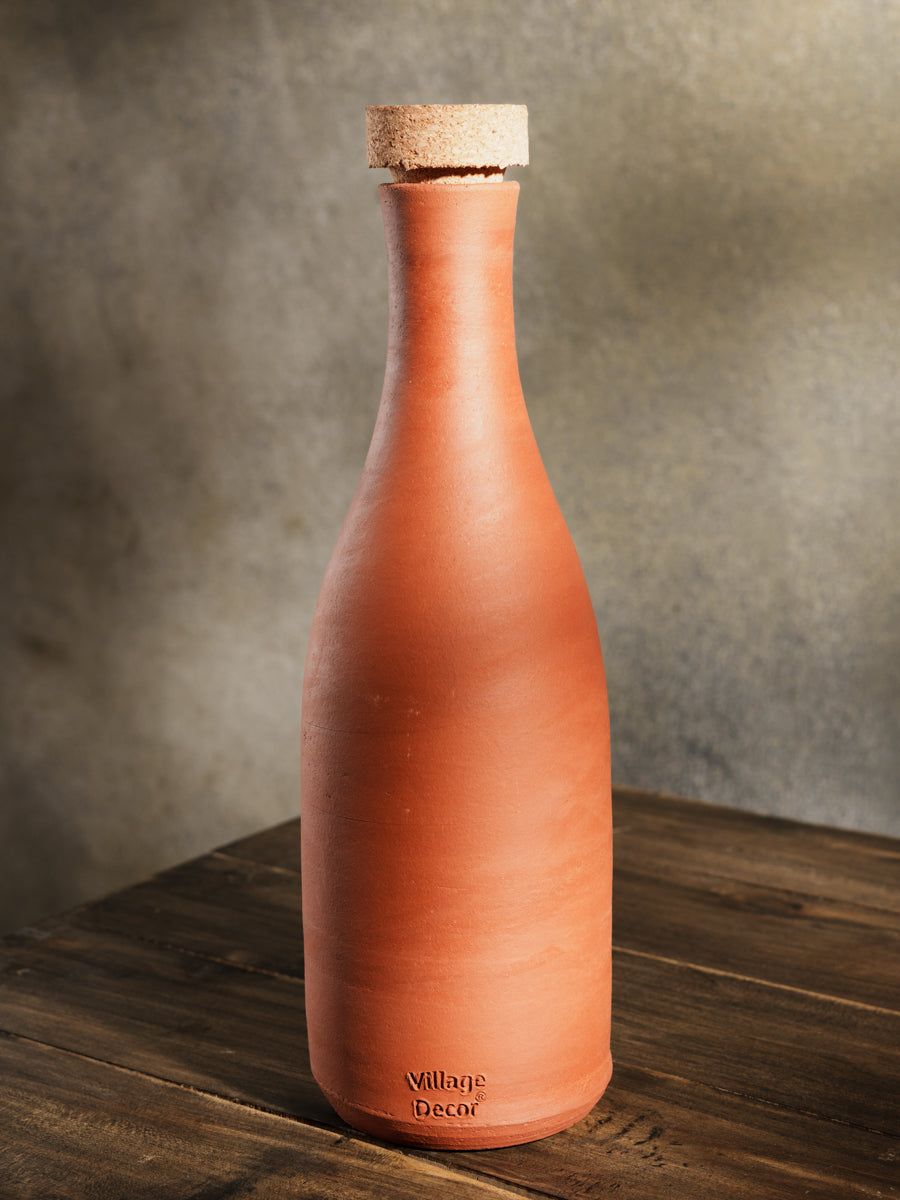
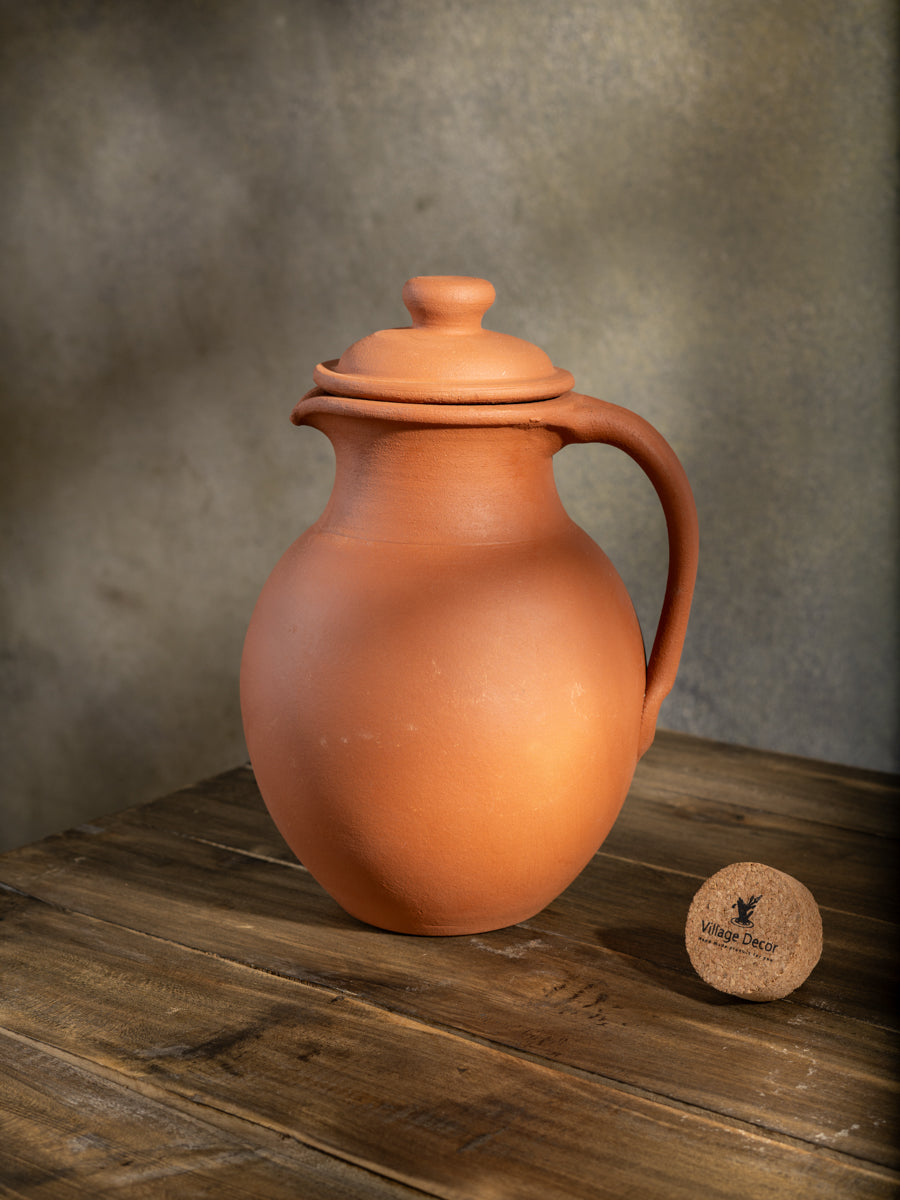

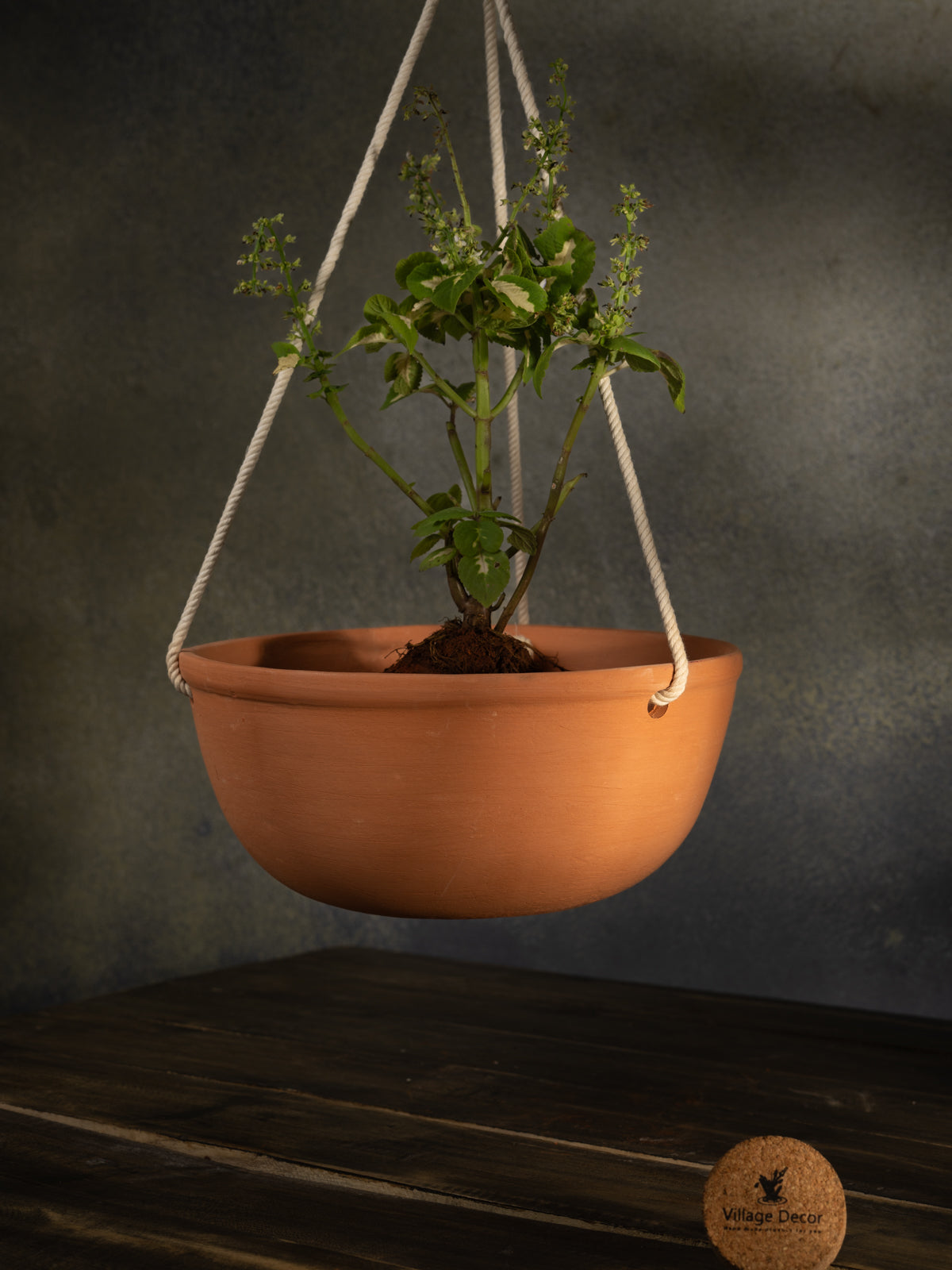
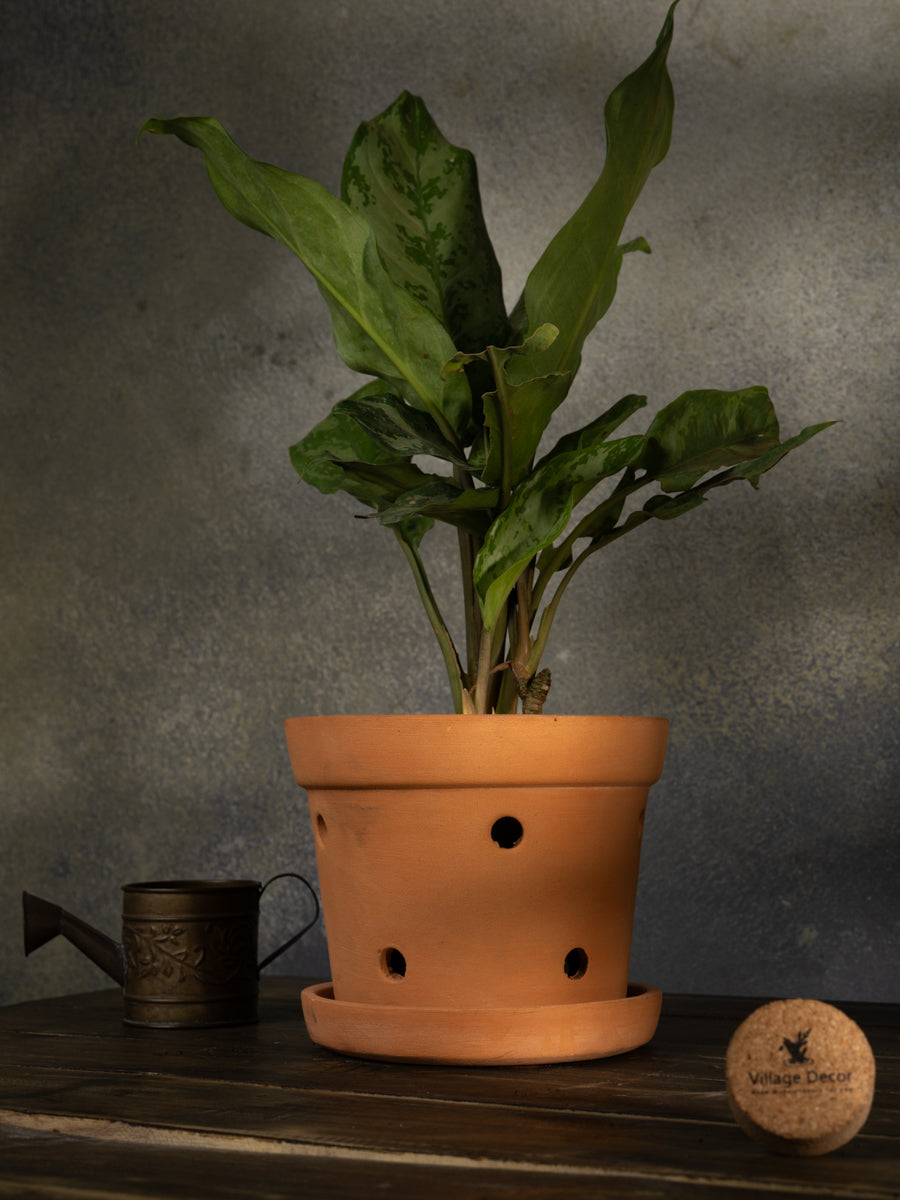
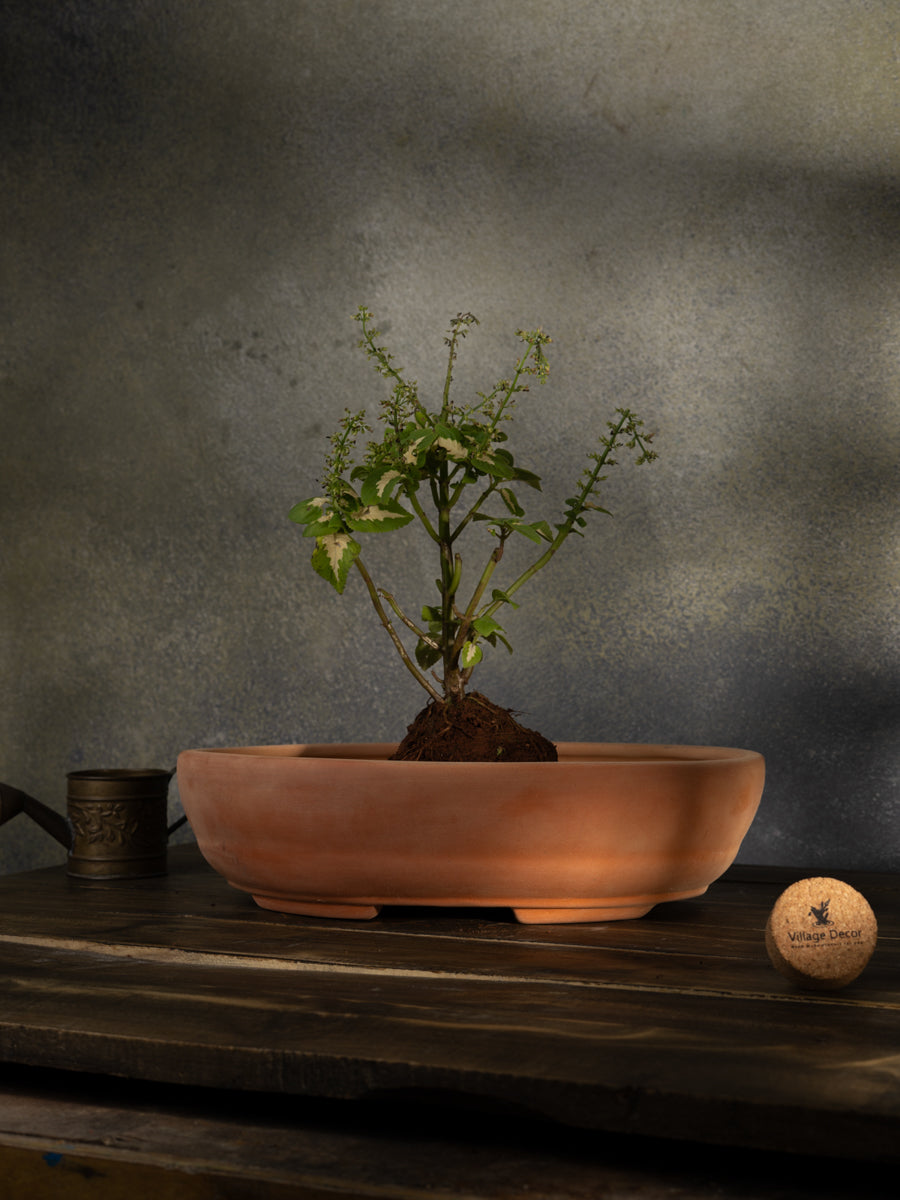




Choosing the right tulsi pot is more important than many people think. A terracotta tulsi pot is often considered the best option for growing a tulsi plant because clay is naturally breathable.
Terracotta allows air to pass through the pot walls. This helps the soil stay balanced and prevents excess moisture from staying trapped inside. When soil holds too much water, the roots of a tulsi plant can start rotting.
A clay Tulsi pot helps avoid that problem. Another advantage is temperature control. Terracotta keeps the soil slightly cooler during hot days, which supports steady growth of the tulsi plant. This is why traditional homes have used clay pots for growing tulsi for generations.
Step 1: Choose the Right Pot size
The first step in growing tulsi successfully is selecting a suitable tulsi pot. The size and design of the pot play a role in how well the tulsi plant grows.
A good tulsi pot should have:
- A drainage hole at the bottom to remove excess water
- Enough depth for the roots to grow freely
- Strong and breathable terracotta material
For beginners, a medium-sized tulsi pot is usually ideal. If the pot is too small, the roots of the tulsi plant may not have enough space. If the pot is extremely large, it may hold too much moisture. Before planting, make sure the tulsi pot is clean and the drainage hole is not blocked. Proper drainage is one of the most important factors for a healthy tulsi plant.
Step 2: Prepare the Right Soil
The next step is preparing the soil. A tulsi plant grows best in soil that drains well but still holds enough nutrients.
A simple soil mix for a tulsi pot can include:
- Garden soil
- Compost or organic manure
- Sand or coco peat for better drainage
This mixture keeps the soil light and breathable. Heavy soil can hold too much water, which may harm the roots of the tulsi plant. Fill the tulsi pot with this soil mix, leaving a little space at the top. This makes watering easier and prevents soil from spilling out when you water the tulsi plant.
Step 3: Plant and Care
Now comes the final step — planting the tulsi plant in the tulsi pot. You can either plant tulsi from seeds or use a small sapling. For beginners, starting with a sapling is usually easier.
Place the tulsi plant gently in the center of the tulsi pot and cover the roots with soil. Press the soil lightly so the plant stands upright but avoid pressing it too tightly. After planting, water the tulsi plant lightly. The soil should be moist but not soaked.
Place the tulsi pot in a spot where the plant receives 4–6 hours of sunlight daily. Tulsi grows best in bright natural light.
Final Thoughts
Growing tulsi at home does not require complicated gardening skills. With the right tulsi pot, proper soil preparation, and basic sunlight and watering care, anyone can grow a thriving tulsi plant.
A terracotta tulsi pot supports natural plant health by allowing the soil to breathe and maintaining balanced moisture. By following these three simple steps, even beginners can successfully grow a tulsi plant and enjoy its freshness every day.


Leave a comment
This site is protected by hCaptcha and the hCaptcha Privacy Policy and Terms of Service apply.