
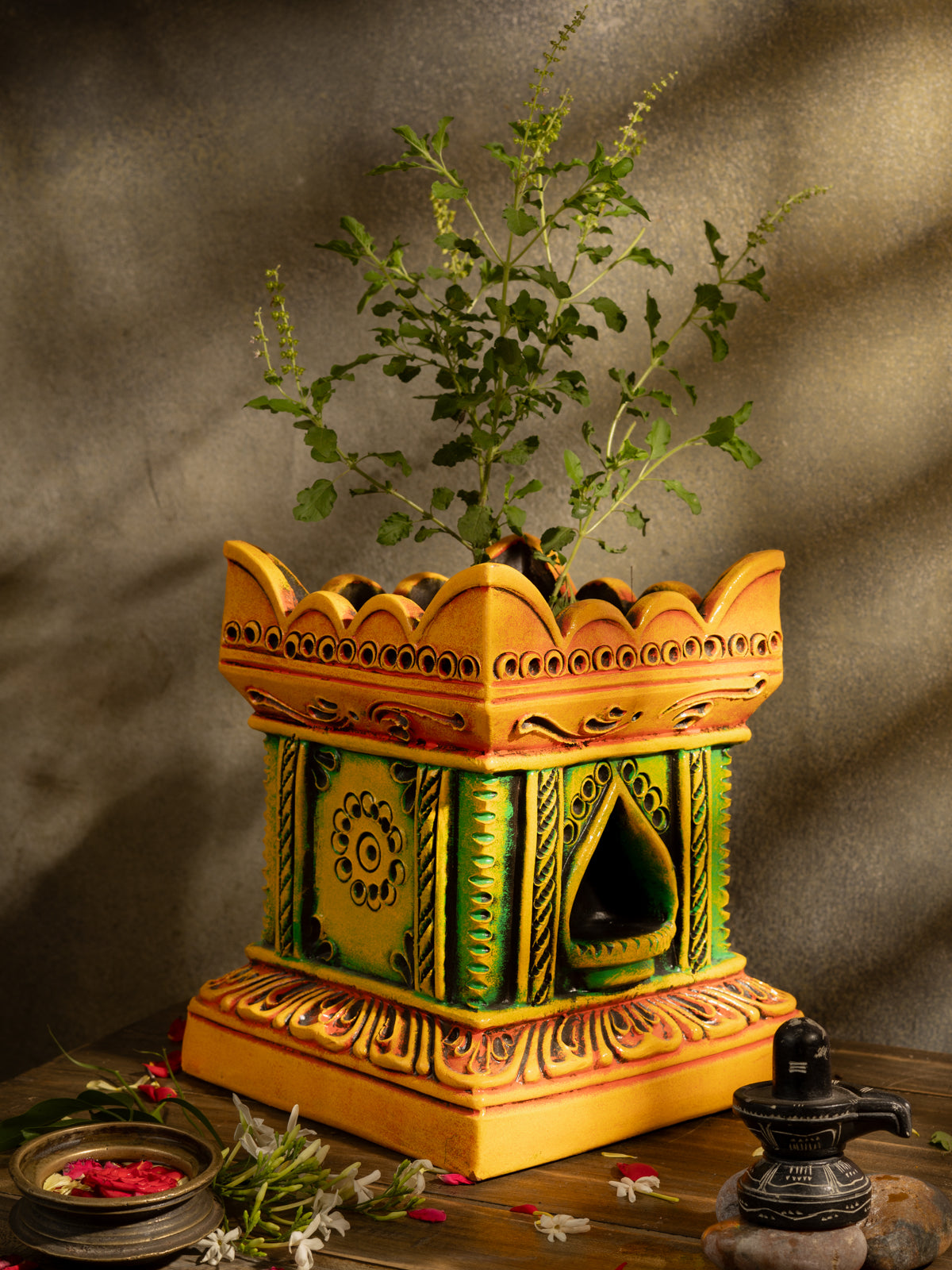
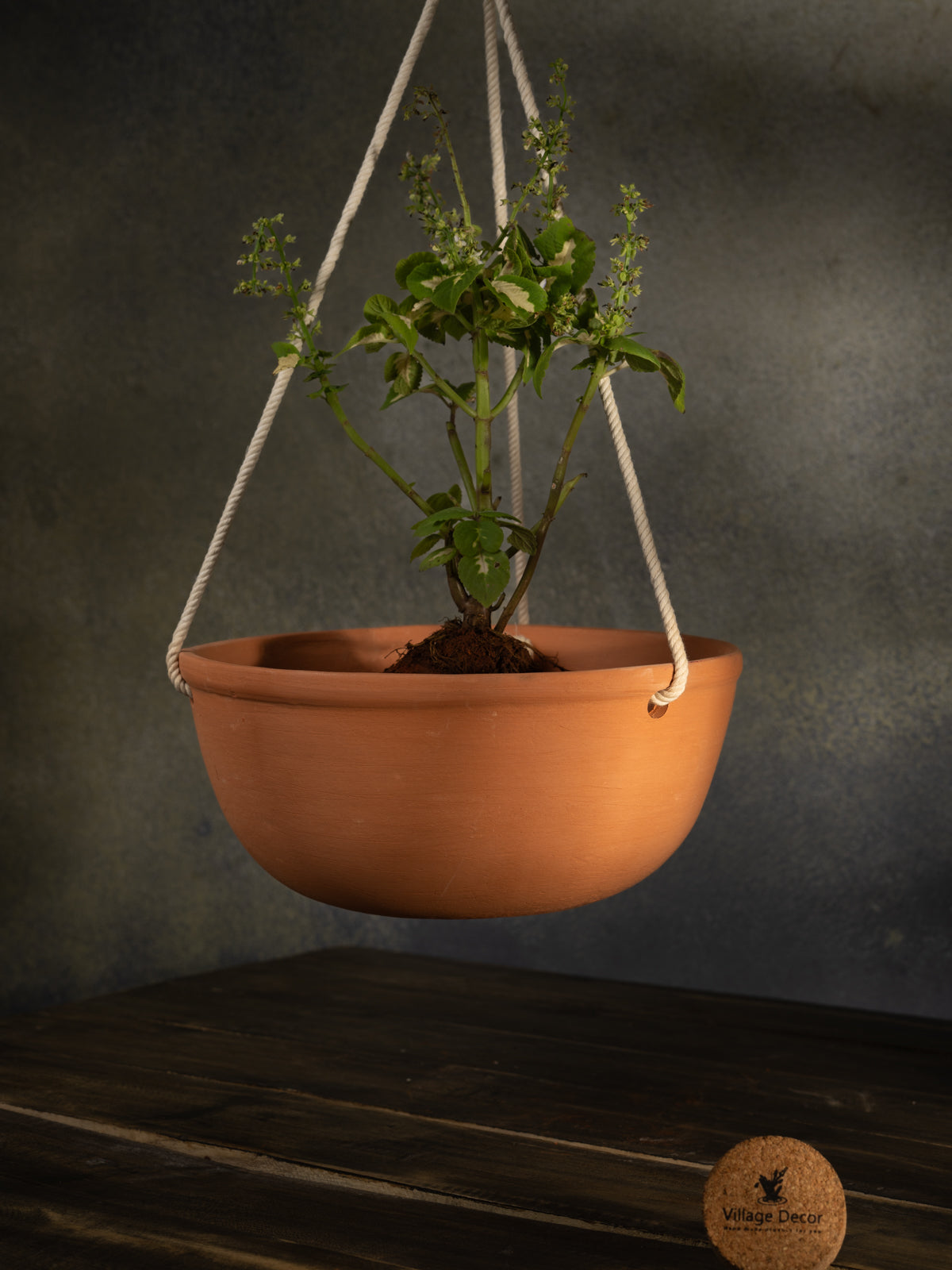
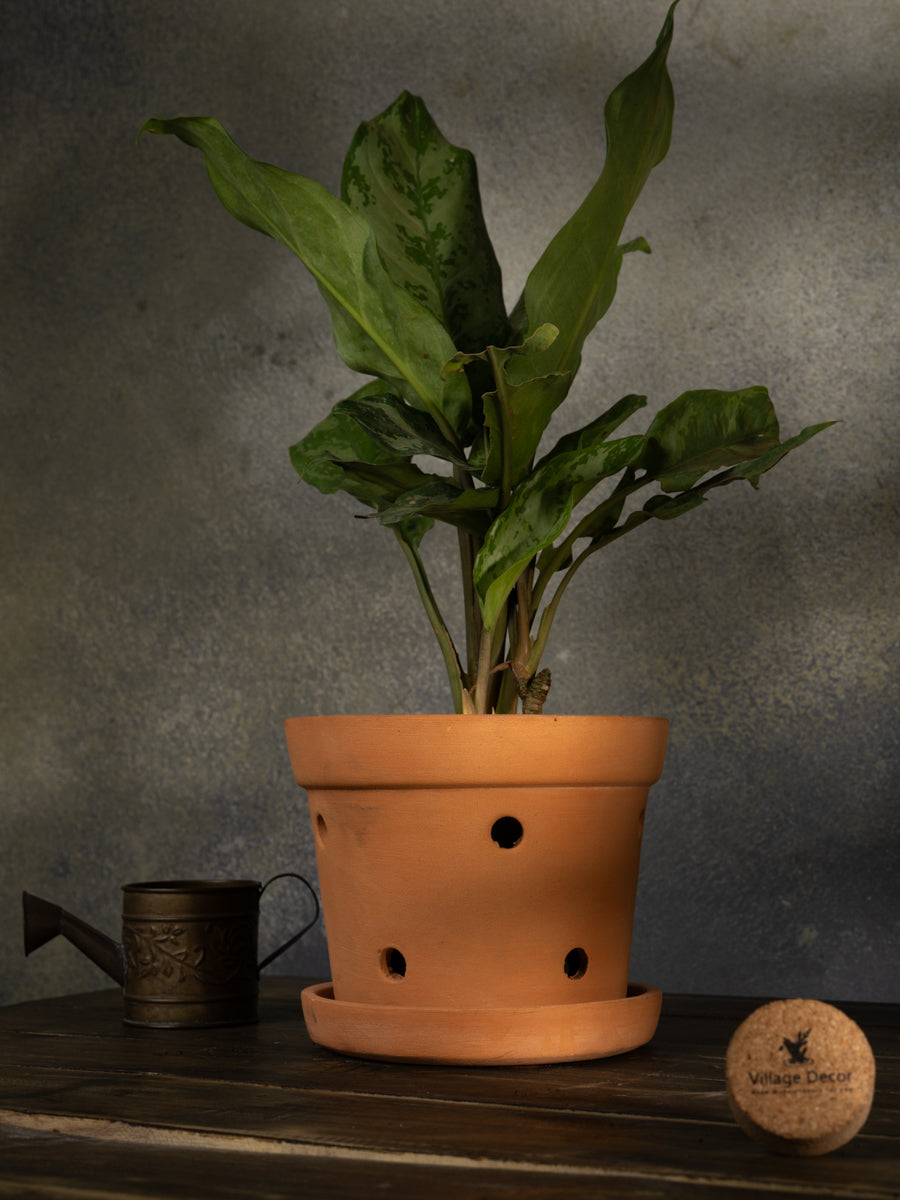
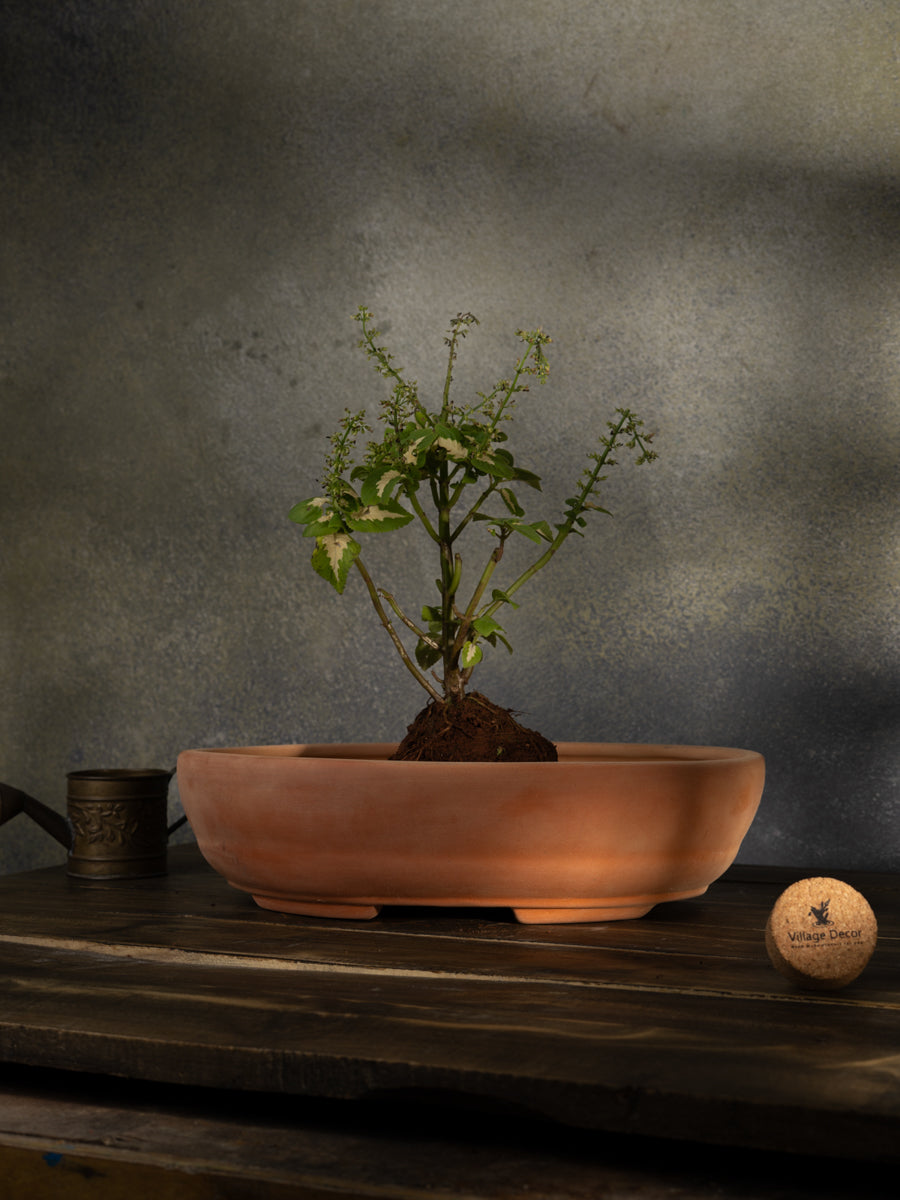




For generations, the tulsi plant has held a special place in traditional Indian homes. Often grown in a tulsi pot near the entrance, courtyard, or balcony, it is valued for its cultural and spiritual significance as well as its traditional uses.
Known as holy basil, tulsi is associated with purity, positivity, and well-being in many Indian traditions. Growing tulsi at home also makes it easy to enjoy its fresh leaves and keep this meaningful tradition alive.
Let’s explore some of the most commonly known holy basil benefits and the traditional significance of keeping a tulsi plant at home.
1. Creates a Peaceful and Positive Atmosphere
One of the traditional benefits of tulsi is its association with peace, purity, and positive energy. In many Indian households, the tulsi plant is considered sacred and cared for as part of daily family rituals.
Placing a tulsi plant near the entrance, courtyard, or balcony can add a natural and calming element to the home. Many families also light a lamp near the tulsi plant in the evening as part of their traditional practices.
Beyond its spiritual significance, a healthy green plant can also bring a refreshing touch of nature into everyday living spaces.
2. Holds Traditional Significance in Indian Homes
Tulsi has been respected in Indian culture for centuries. Many families consider it a symbol of purity, devotion, and well-being.
Keeping the plant in a dedicated tulsi pot creates a special space for daily rituals and helps preserve a tradition that has been passed down through generations.
For many households, caring for tulsi is more than simply growing a plant. It is a daily practice that connects family life with nature and tradition.
3. Traditionally Associated With Prosperity and Well-Being
In traditional Indian beliefs, a healthy tulsi plant is often associated with prosperity, good fortune, and household well-being.
Taking care of the plant regularly is considered a meaningful practice that reflects respect for nature and devotion. Because of this cultural significance, tulsi is often placed in a dedicated area of the home where it can receive adequate sunlight and care.
While these associations come from tradition and belief, the practice of caring for a living plant can also encourage a sense of routine and connection with nature.
4. Traditionally Used for Health and Wellness
One of the best-known benefits of holy basil comes from its long history of use in traditional Indian wellness practices. Tulsi leaves have traditionally been used in herbal preparations and beverages.
People commonly use tulsi in teas and other traditional preparations as part of their wellness routines. However, traditional use should not be treated as proof that tulsi can prevent or cure a medical condition.
If you are considering consuming tulsi regularly for a specific health concern, it is best to consult a qualified healthcare professional, especially if you take medication or have an existing medical condition.
5. Adds Freshness and Natural Beauty to Your Home
A tulsi plant can add natural greenery to your entrance, balcony, courtyard, or other suitable outdoor space. Its fresh leaves and vibrant appearance can make the area feel more welcoming.
Keeping the plant where it receives suitable sunlight and regular care can help it grow well. A well-maintained tulsi plant in a traditional pot can also become a beautiful part of your home decor.
Why Keep a Tulsi Plant at Home?
The benefits of tulsi go beyond its traditional and cultural importance. For many families, growing tulsi at home is a simple way to stay connected with Indian traditions while bringing a little more greenery into everyday life.
Whether you grow it for its cultural significance, traditional uses, or natural beauty, a healthy tulsi plant can become a meaningful part of your home.
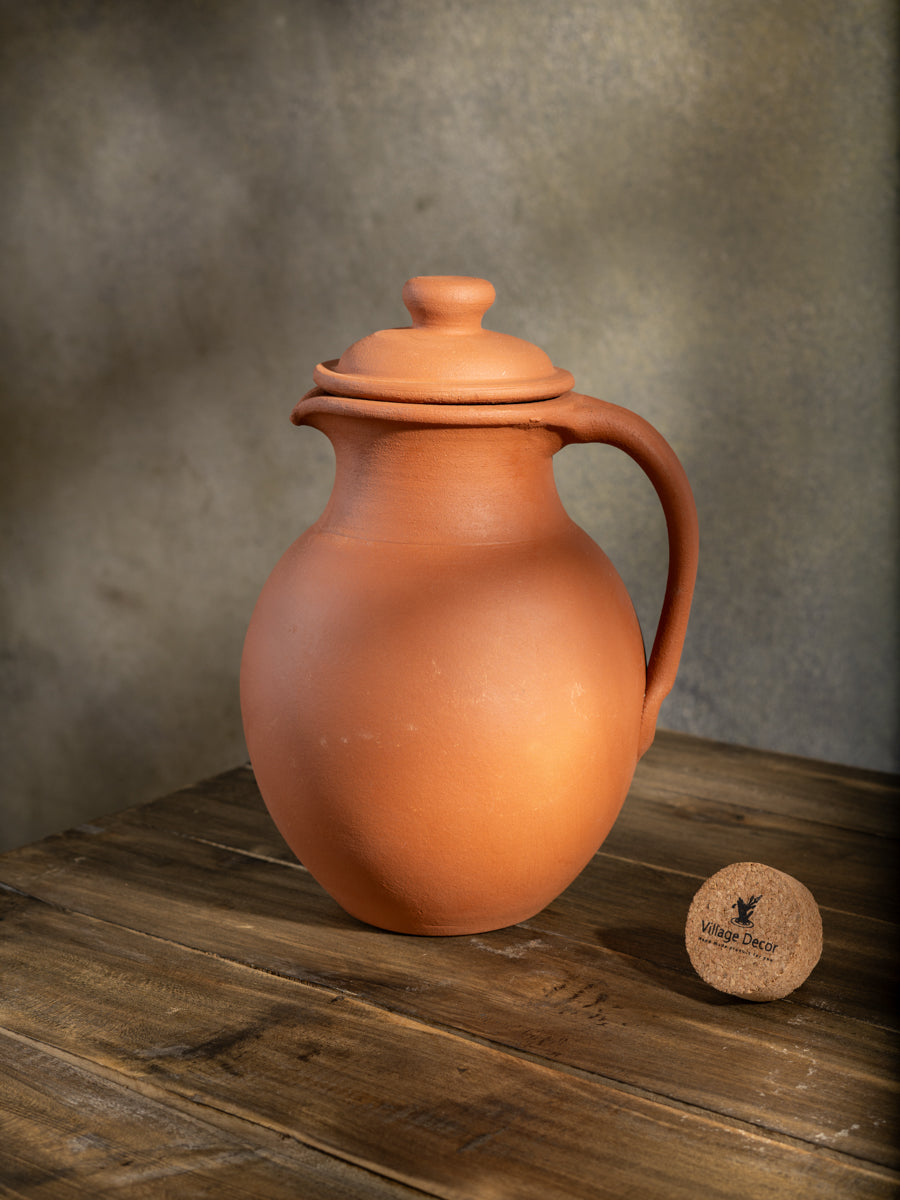
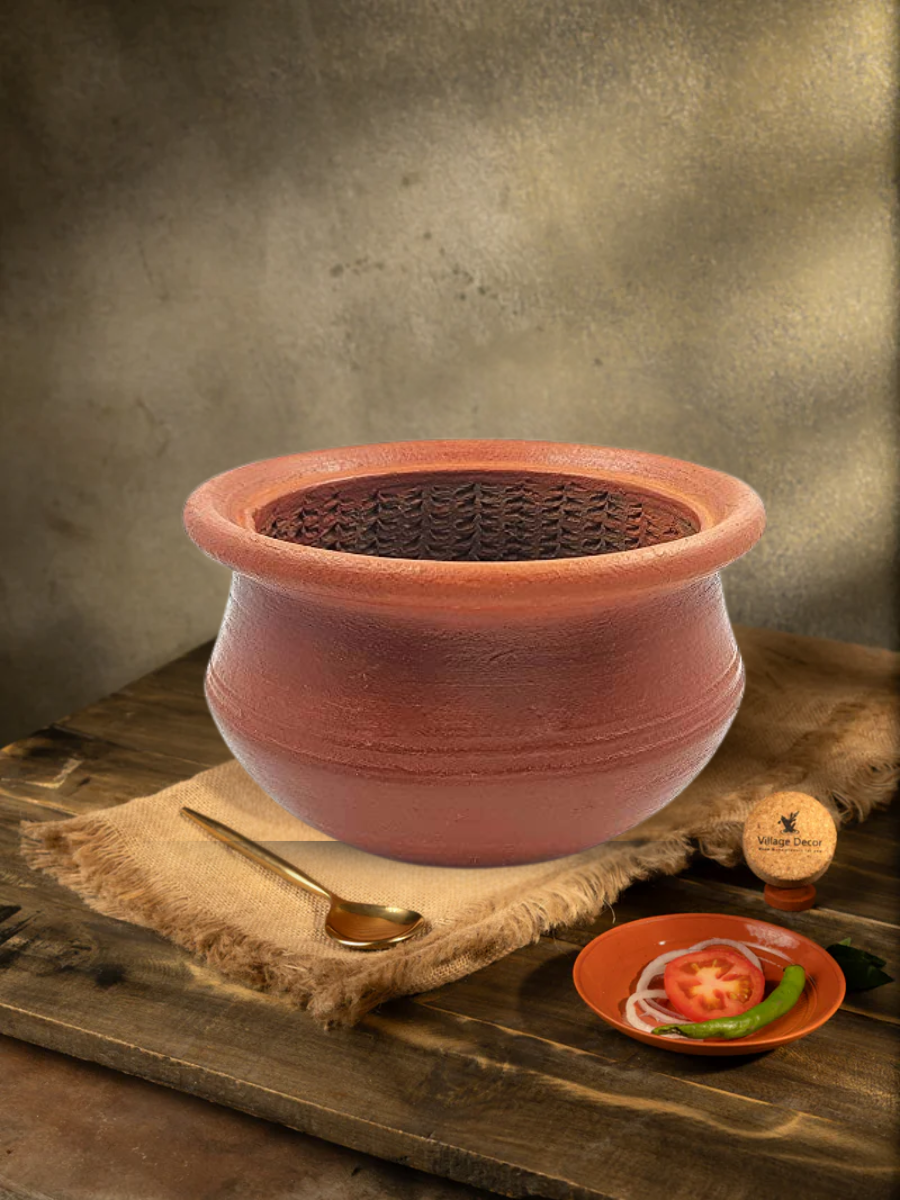
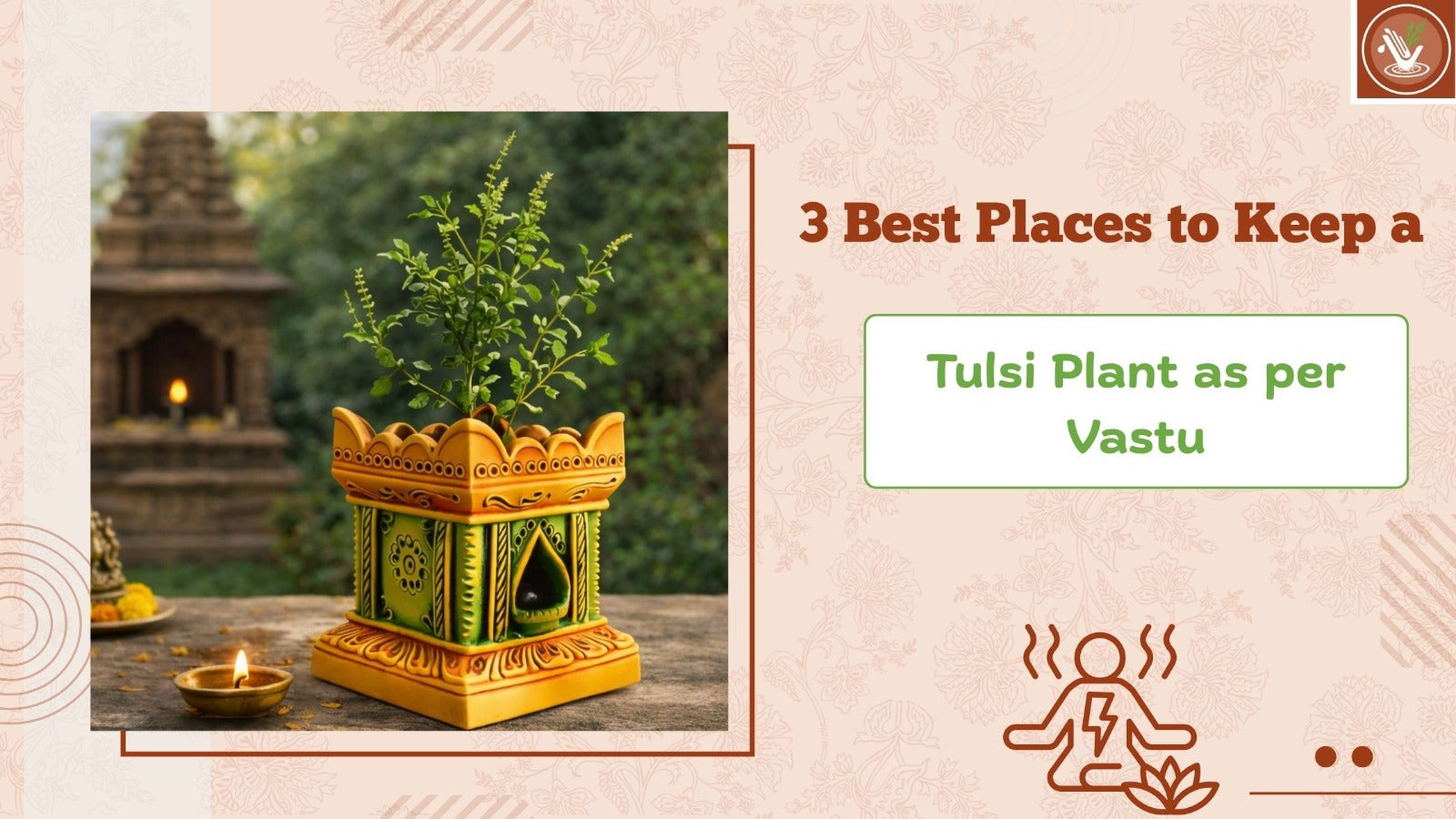
Give your sacred plant a beautiful traditional home with a handcrafted tulsi pot from Village Decor.


Leave a comment
This site is protected by hCaptcha and the hCaptcha Privacy Policy and Terms of Service apply.