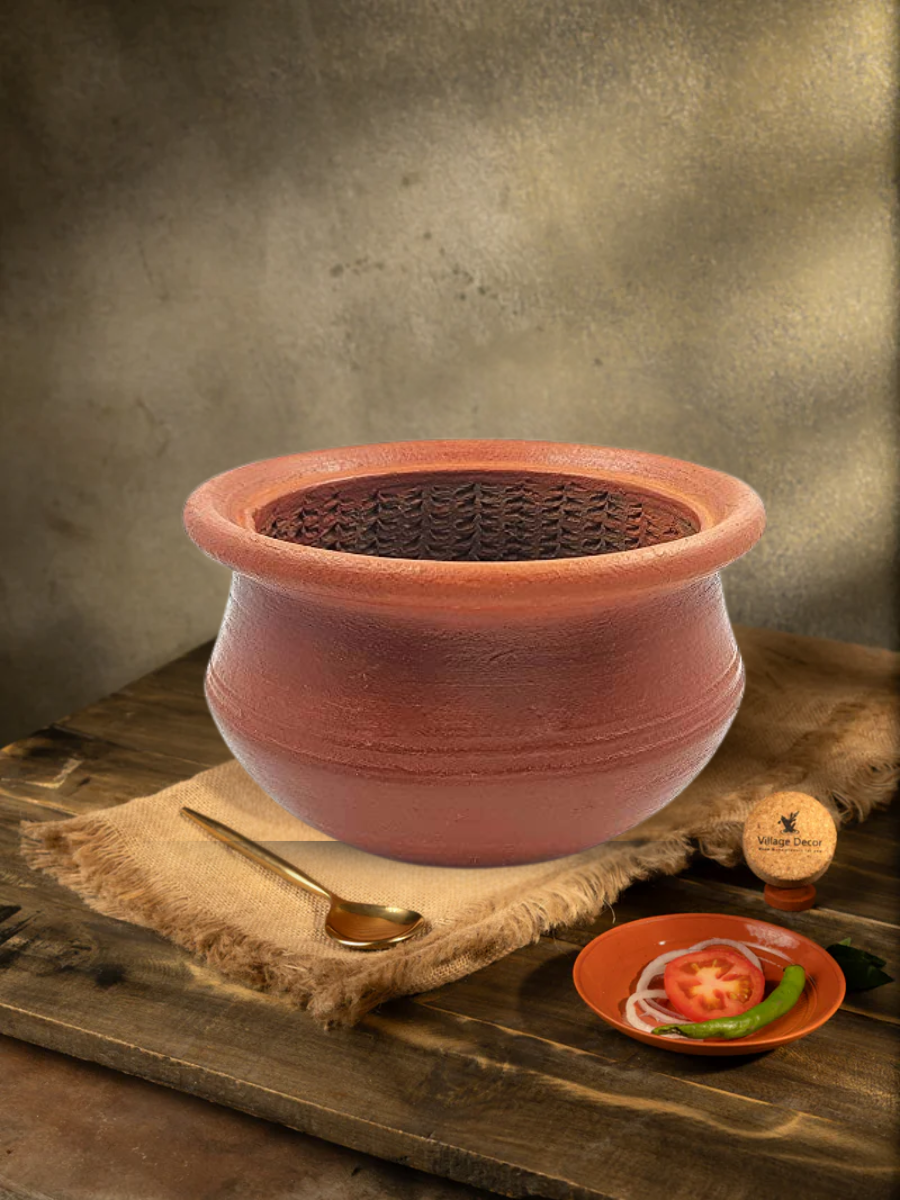
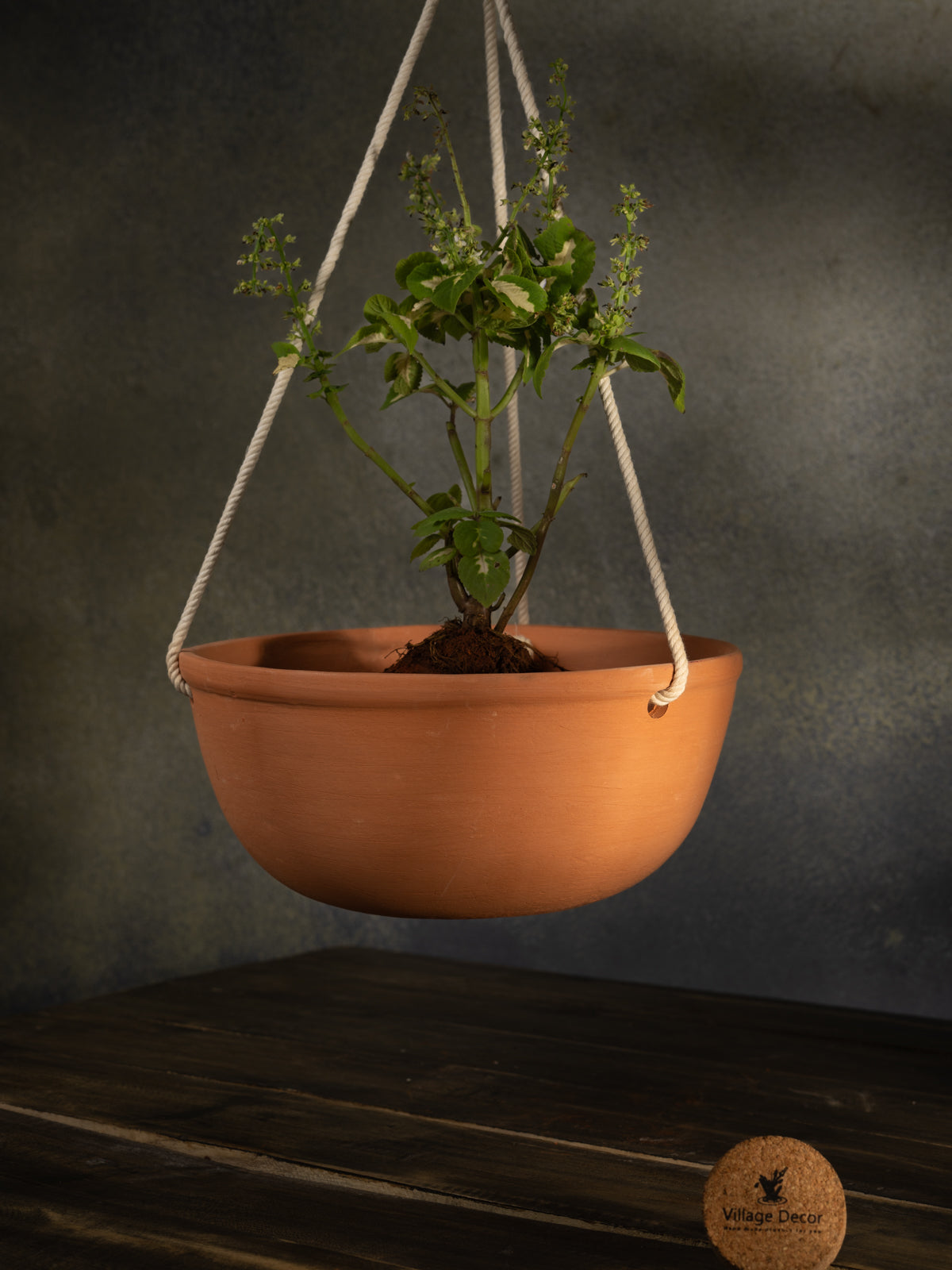
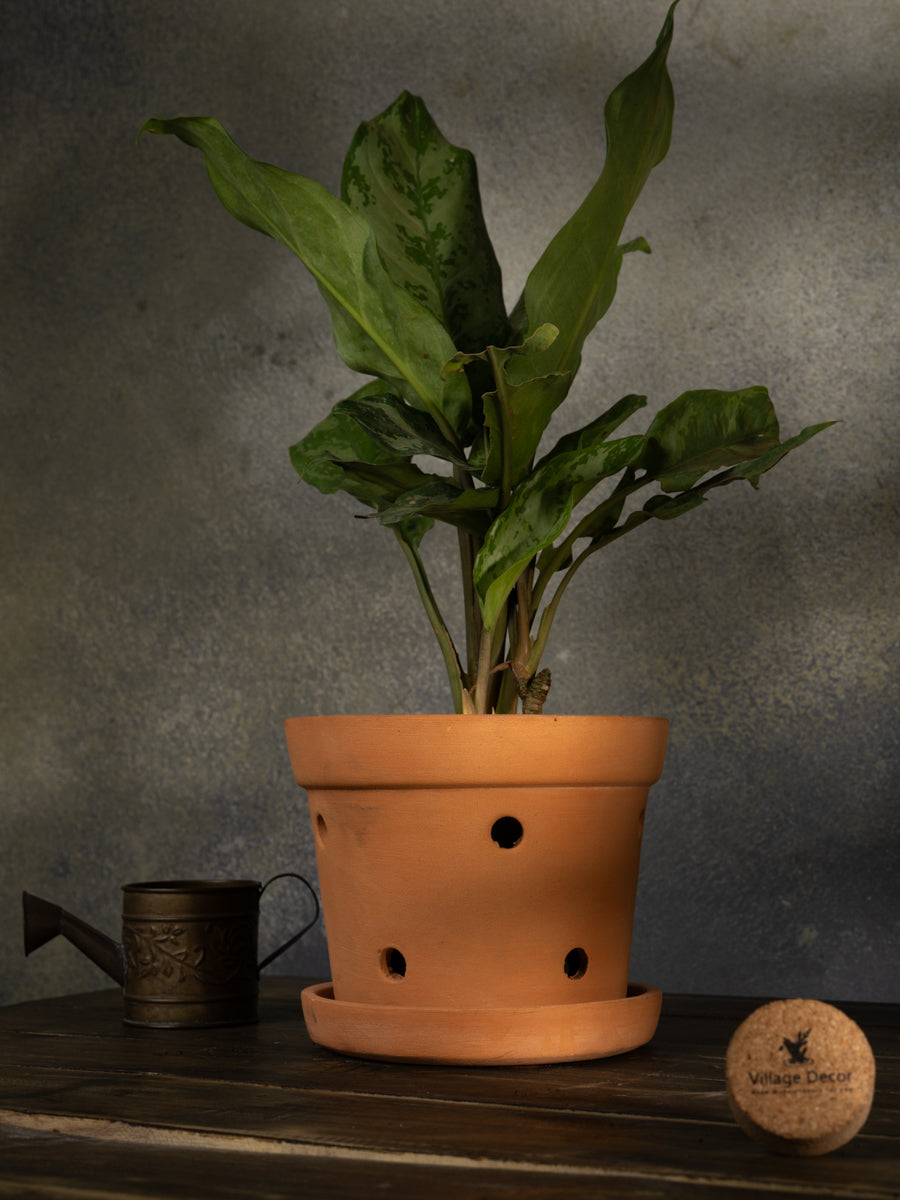
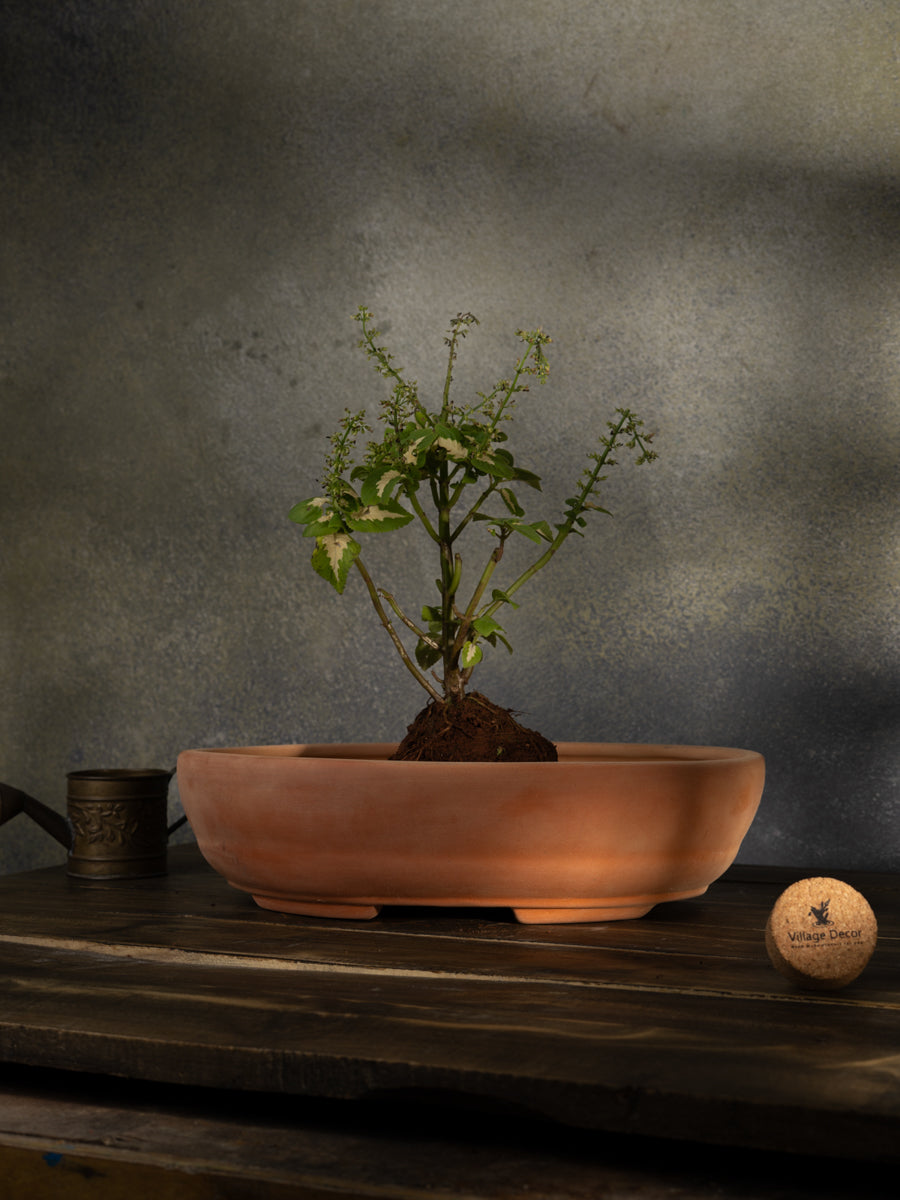

A Tulsi plant is not just another plant you keep at home. For many, it’s part of daily prayer, part of the home’s energy, and something that needs to be cared for with intention.
That’s exactly why the choice of pot matters more than people think.
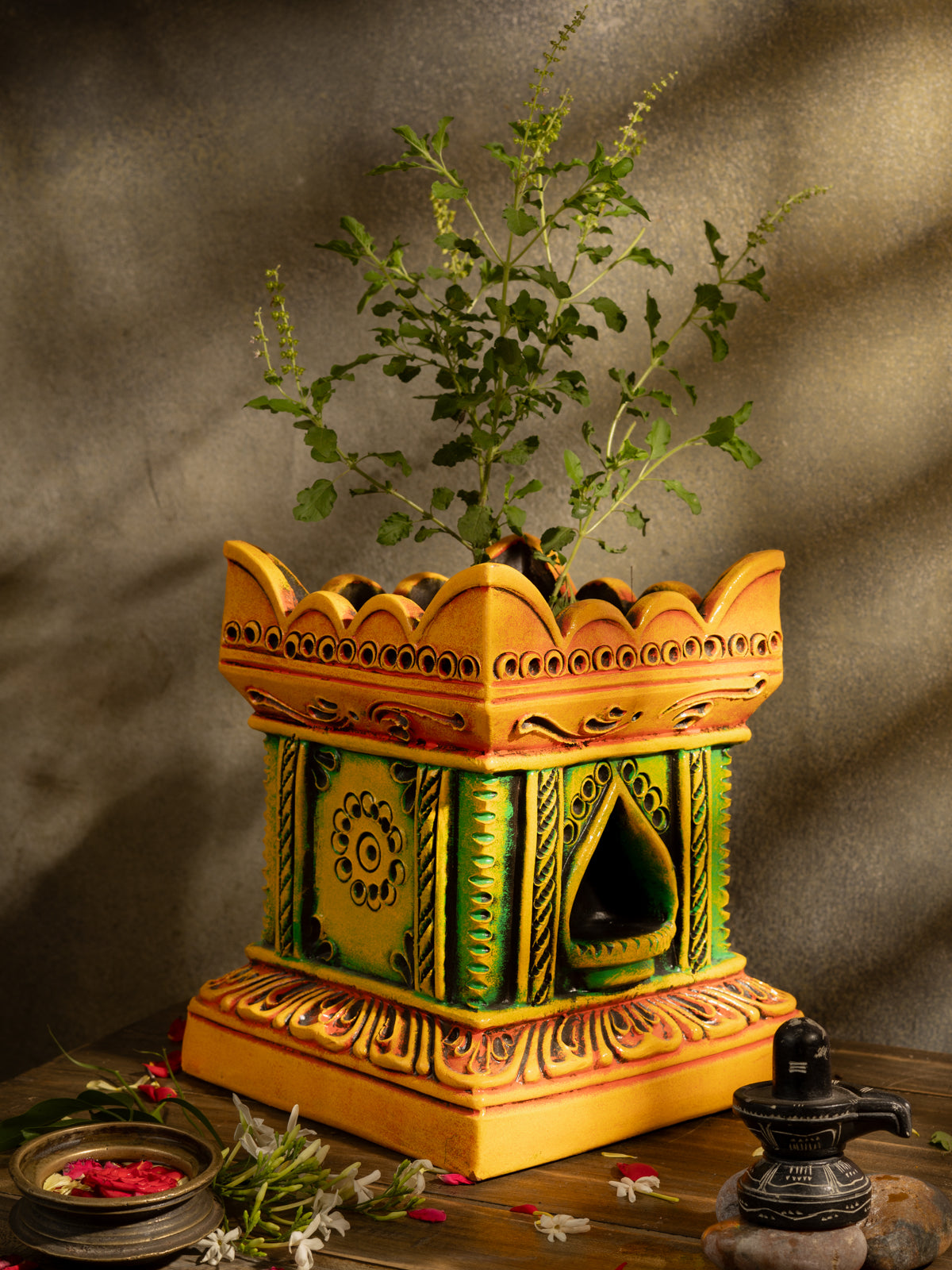
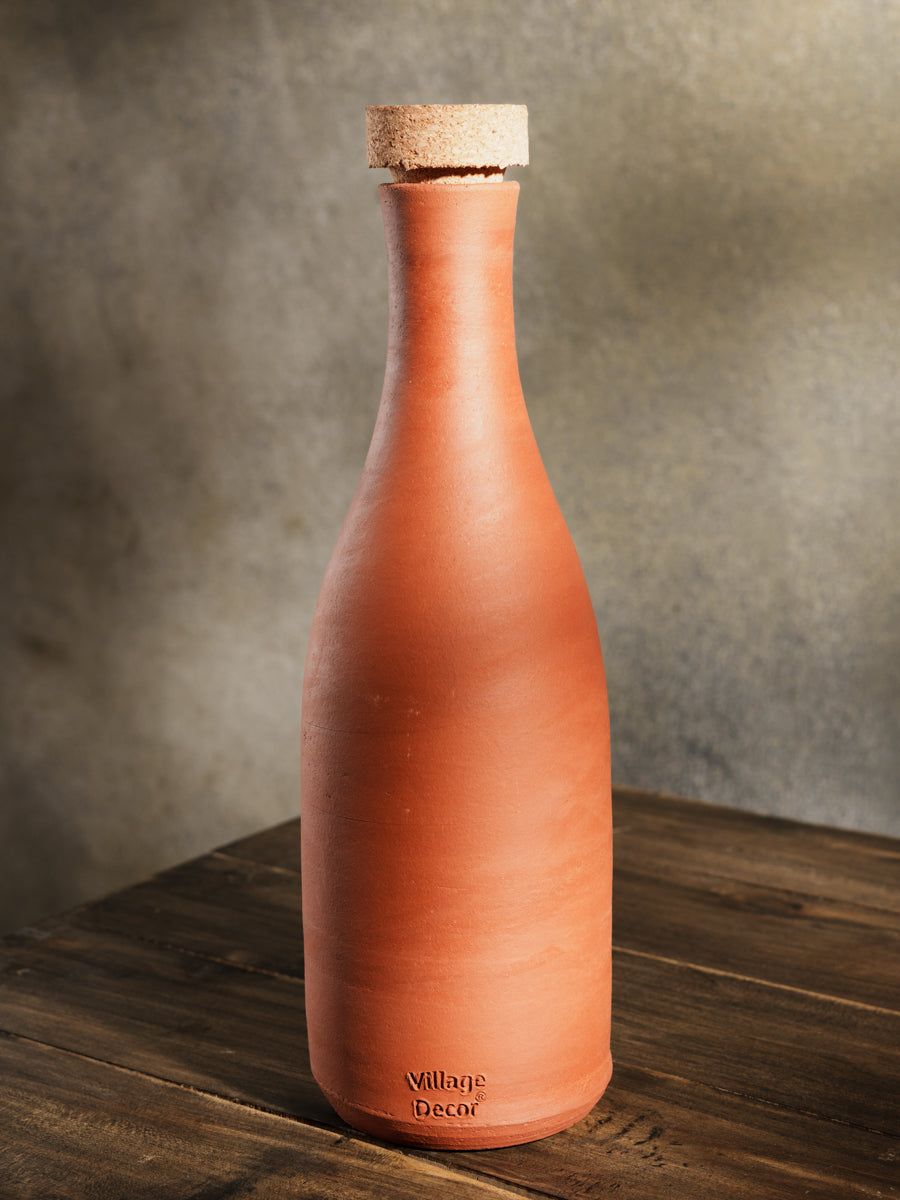
A clay tulsi pot is not just a traditional option. It’s actually the most practical and natural choice when you compare it with plastic or ceramic. And the difference shows not just in how the plant grows, but also in how it feels as part of your home.
Let’s understand this in a simple way.
Clay Tulsi Pot vs Plastic and Ceramic: What Really Changes?
At a basic level, the biggest difference comes down to how the pot interacts with air, water, and heat.
A clay tulsi pot is naturally porous. That means air can move in and out through the pot. The soil doesn’t feel suffocated, and the roots get a better environment to grow. With plastic, everything is sealed. Heat builds up faster, moisture gets trapped, and over time, this can stress the plant without you even realising it.
Ceramic might look like a better upgrade, but most ceramic pots are glazed. That coating blocks the natural breathability. So while it looks similar to clay from outside, functionally it behaves much closer to plastic.
This one small difference changes everything — how the roots grow, how water is retained, and how healthy the plant stays in the long run.
Why a Clay Tulsi Pot Feels More Right for Tulsi
There’s also a reason why clay has been used traditionally for Tulsi for generations.
Tulsi is not treated like a decorative plant. It’s respected, worshipped, and kept in spaces that are meant to feel pure and calm. A clay tulsi pot fits naturally into that setting because it comes straight from the earth. No processing, no artificial layers.
Plastic feels out of place in that context. Ceramic, though better in appearance, still carries a manufactured feel.
Clay, on the other hand, blends in without trying too hard. It feels simple, grounded, and closer to the way Tulsi has always been grown in Indian homes.
How a Clay Tulsi Pot Supports Better Plant Health
If you’ve ever seen a Tulsi plant struggle — yellowing leaves, weak growth, or frequent drying — the pot could be one of the hidden reasons.
A clay tulsi pot naturally balances moisture. It absorbs excess water and releases it slowly, so the soil doesn’t stay too wet or too dry. This reduces common issues like root rot or overheating.
It also keeps the temperature more stable. In hot weather, especially, this makes a noticeable difference. The roots stay cooler, and the plant doesn’t get stressed easily.
You may not see the change in a day. But over time, the plant grows stronger, fuller, and more stable.
The Vastu and Energy Side of Using a Clay Tulsi Pot
For many homes, Tulsi is also connected to vastu and positive energy.
Clay represents the earth element. It is associated with stability and grounding. Keeping Tulsi in a clay tulsi pot is believed to support a more balanced and peaceful environment.
Even if someone doesn’t strictly follow vastu, there’s still a certain calmness that comes from using natural materials. It just feels more in sync with the purpose of the plant.
Plastic doesn’t carry that same connection. Ceramic comes close visually, but not in essence.
Final Thought
If the goal is just to grow a plant, any pot can do the job.
But Tulsi is rarely just “a plant.”
When you look at it from a slightly deeper perspective — health, tradition, and the overall feel it brings into your home — a clay tulsi pot simply makes more sense.
It supports the plant better. It fits the purpose better. And over time, you’ll notice the difference without needing to overthink it.
Sometimes, the simplest choice turns out to be the right one.


Leave a comment
This site is protected by hCaptcha and the hCaptcha Privacy Policy and Terms of Service apply.